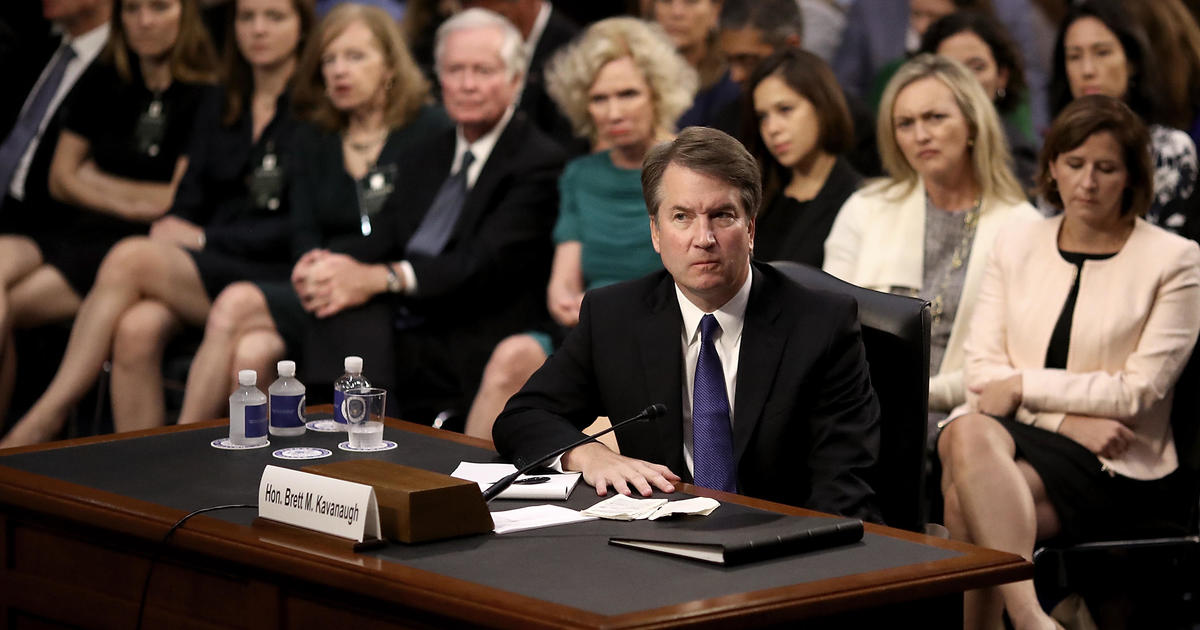
The Intense Game of Confirmation Hearings: Unpacking the Senate Battles
The United States Senate has long been a battleground for ideological battles, and one of the most contentious aspects of this process is the confirmation hearing. This is the stage where presidential nominees face intense scrutiny, and senators from both parties exercise their right to grill them on their qualifications, policies, and values. The confirmation hearing is a critical step in the nomination process, and its outcome can be the deciding factor in shaping the future of the country.
For those who may not be familiar with the process, a confirmation hearing is a public proceeding where a nominee is questioned by senators, usually from the committee to which the nominee belongs. The hearing is a chance for senators to delve deeper into the nominee's background, examine their credentials, and probe them on their stance on key issues. The goal is not only to assess the nominee's qualifications but also to evaluate their compatibility with the party's platform and values.
Confirmation hearings have become increasingly politicized over the years, with senators using them as an opportunity to attack the nominee's character, policies, and ideology. The hearings often devolve into shouting matches, with senators from opposing parties trading barbs and personal attacks. This can create a toxic atmosphere, where the nominee is subjected to extreme scrutiny and attacked on all fronts.
Despite the contentious nature of confirmation hearings, they remain a vital part of the nomination process. In fact, they are a necessary step in ensuring that the president's choices are accountable to the Senate. The hearings provide an opportunity for senators to hold the nominee accountable for their actions, policies, and values. They also give the public a chance to observe the nomination process firsthand, and to gauge the nominee's qualifications and demeanor.
However, the confirmation hearing process has been criticized for being overly politicized and lacking in meaningful scrutiny. Many argue that the hearings focus too much on personality and character, rather than the nominee's qualifications and policies. This can lead to nominees being selected based on their ideological purity rather than their actual qualifications.
The confirmation hearing process is a critical aspect of the nomination process, and it has a significant impact on the future of the country. It is an opportunity for senators to scrutinize the nominee's qualifications, policies, and values, and to hold them accountable for their actions. In this article, we will delve into the world of confirmation hearings, exploring the history, process, and significance of these Senate battles.
A Brief History of Confirmation Hearings
Confirmation hearings have been a part of the US Senate's nomination process since the 19th century. The first confirmation hearing was held in 1865, when President Andrew Johnson nominated Salmon P. Chase as Secretary of the Treasury. Since then, confirmation hearings have become an integral part of the nomination process, with senators using them to scrutinize nominees from the executive branch.
Over the years, the confirmation hearing process has undergone significant changes. In the early days of the Republic, confirmation hearings were relatively informal affairs, with nominees being questioned by a single senator or a small committee. As the Senate grew in size and complexity, the confirmation hearing process evolved to become more formalized and structured.
Today, confirmation hearings are a multi-step process that involves several committees and multiple stages. The process begins with the nomination, where the president selects a nominee and sends them to the Senate. The nomination is then referred to a committee, which reviews the nominee's qualifications and conduct a background check. The committee then holds a hearing, where the nominee is questioned by members of the committee and other senators.
The Committee Review Process
The committee review process is a critical part of the confirmation hearing process. The committee is responsible for reviewing the nominee's qualifications, examining their credentials, and conducting a background check. The committee may also invite experts and witnesses to testify about the nominee's policies and actions.
The committee review process can be a lengthy and complex process, involving multiple hearings and rounds of questioning. The committee may also engage in significant debate and discussion, debating the nominee's qualifications and policies. This process can be influenced by the committee's ideology and the nominee's background, and can shape the outcome of the nomination process.
The Senate Floor Vote
After the committee review process is complete, the nomination is sent to the full Senate for a vote. The Senate floor vote is a critical moment in the confirmation hearing process, as it determines whether the nominee will be confirmed or rejected. The Senate may also engage in filibusters, where senators prolong the vote to delay or block the nomination.
The Senate floor vote can be influenced by various factors, including the nominee's qualifications, their party affiliation, and the political climate of the moment. The vote can also be influenced by the senator's personal biases and interests, and can reflect the broader ideological divisions within the Senate.
The Impact of Confirmation Hearings
Confirmation hearings have a significant impact on the nomination process and the future of the country. The hearings provide an opportunity for senators to scrutinize the nominee's qualifications, policies, and values, and to hold them accountable for their actions. The hearings also give the public a chance to observe the nomination process firsthand, and to gauge the nominee's qualifications and demeanor.
Confirmation hearings can shape the outcome of the nomination process, with the Senate voting on the nominee's confirmation. The hearings can also influence the president's choices, with the president taking into account the senator's views and concerns when selecting nominees.
The Controversies Surrounding Confirmation Hearings
Confirmation hearings have been surrounded by controversy over the years, with some arguing that they are overly politicized and lacking in meaningful scrutiny. The hearings can become intense and personal, with senators using them to attack the nominee's character, policies, and ideology.
The hearings can also be criticized for focusing too much on personality and character, rather than the nominee's qualifications and policies. This can lead to nominees being selected based on their ideological purity rather than their actual qualifications.
The Role
Recent Post
Unlocking The Secrets Of Menopause: Expert Insights On Navigating Life After 40 With Paolo Tantoco
Tensions Rise As Trump Officials Defend Tariffs Amid Market Volatility And Warnings For Savers And Retirees
Rosie O'Donnell Teases Trump Move, Posts Disruptive Selfie From Abroad
Wings For The Win: Capitals Edge Ducks 7-4 In Thrilling Matchup
Ducks Fall Short: Key Takeaways From Thrilling 7-4 Loss To Capitals
Article Recommendations
- Unlock Your Local SEO Prowess With The Localeo Rank Checker
- Unlock The Power Of Zeochip: The Revolutionary Technology Transforming Industries
- Spider-Man's Sidekick Sophie Rainpider: Unraveling The Mystery Of A Female Heroine