- Understanding the Psychology of Compulsive Eating
- Building a Supportive Community
- Developing Healthy Coping Mechanisms
- Putting it into Practice
- Overcoming the Challenges of Compulsive Eating
- Maintaining Motivation and Accountability
- Focusing on the Positive Outcomes and Benefits
- Overcoming the Fear of Weight Gain and Failure
Breaking Free from the Cycle of Compulsive Eating: The Emotional Toll and Struggle to Overcome
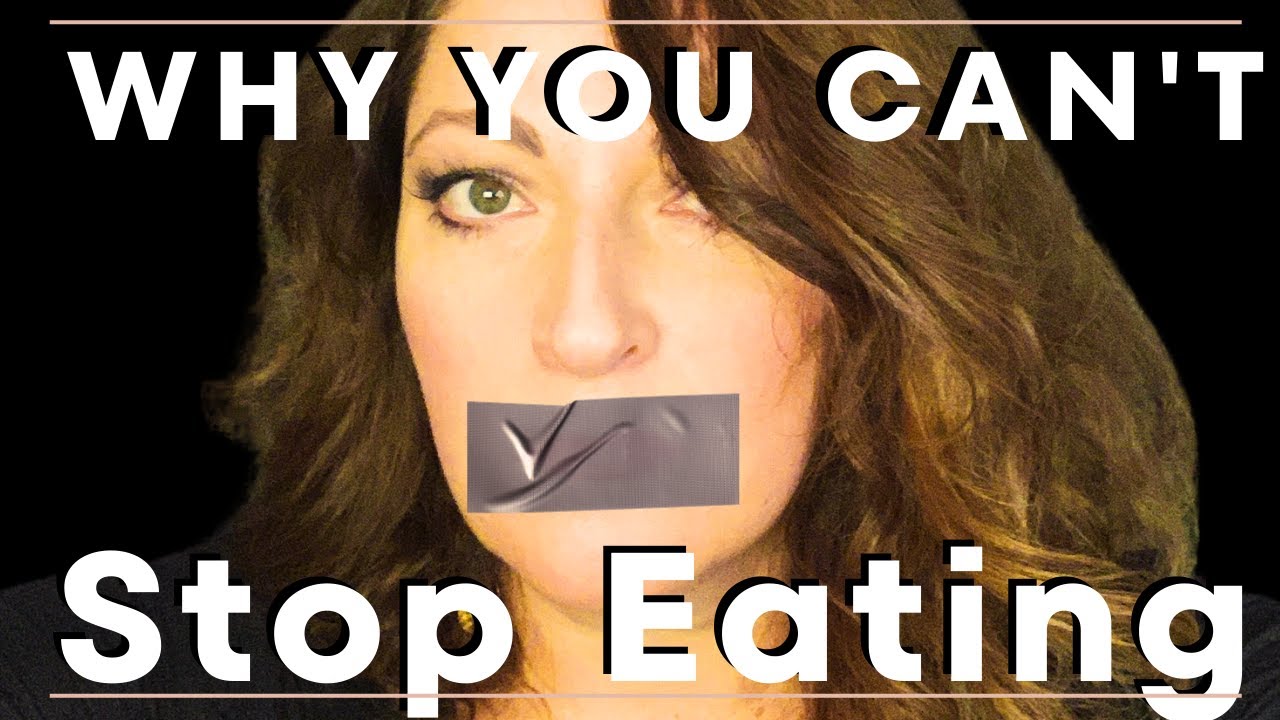
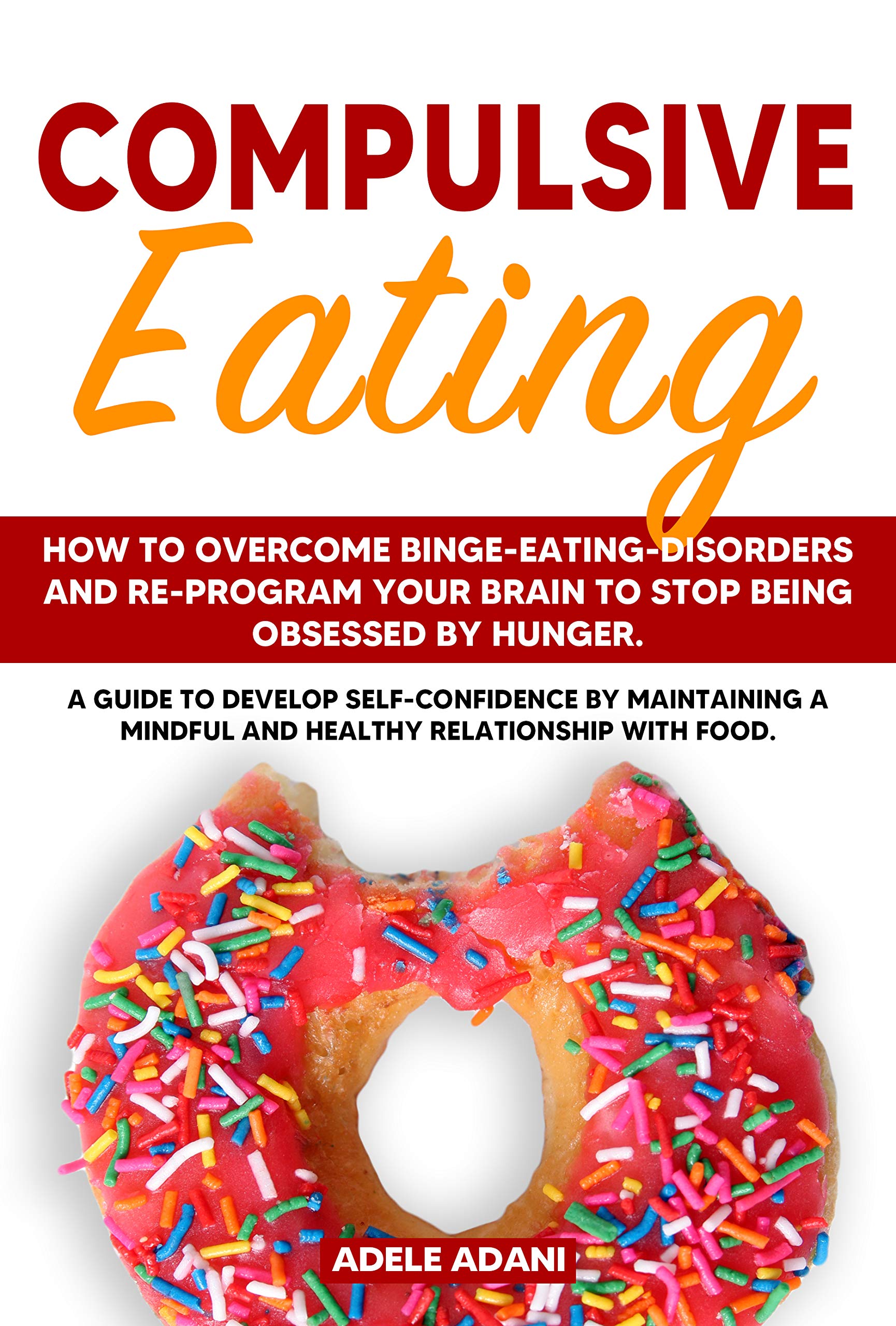
Compulsive eating, also known as overeating or binge eating, is a complex and debilitating issue that affects millions of people worldwide. It is not just about eating too much or too frequently, but a deeply ingrained emotional struggle that can have devastating consequences on a person's physical and mental health, relationships, and overall well-being. In this article, we will delve into the emotional toll of compulsive eating, the struggle to overcome it, and provide practical strategies for healing and recovery.
Compulsive eating is often linked to emotional trauma, stress, and anxiety. It can be a coping mechanism for individuals who have experienced emotional pain, neglect, or abuse in the past. When we eat compulsively, we may feel a temporary sense of relief or escape from our emotional pain, but this fleeting high is often followed by feelings of guilt, shame, and regret. This cycle of guilt and shame can lead to a vicious cycle of compulsive eating, as individuals may turn to food as a way to numb their emotions and avoid feelings of pain.
The emotional toll of compulsive eating can be severe and far-reaching. It can lead to a range of mental health issues, including depression, anxiety disorders, and eating disorders such as bulimia and anorexia. Compulsive eating can also lead to physical health problems, such as obesity, diabetes, and heart disease. Furthermore, it can damage relationships with family and friends, as loved ones may feel frustrated, helpless, and worried about the individual's well-being.
The struggle to overcome compulsive eating is a challenging and often daunting task. It requires a deep understanding of the underlying emotional issues and a willingness to confront and heal from past traumas. It also requires a commitment to developing healthy coping mechanisms and habits, such as regular exercise, meditation, and creative pursuits.
Understanding the Psychology of Compulsive Eating
Compulsive eating is often linked to psychological factors, such as:
- Low self-esteem and self-worth
- Fear of emotions and intimacy
- Trauma and stress
- Social and cultural pressures
- Hormonal imbalances and biological factors
To overcome compulsive eating, it is essential to understand the underlying psychological factors that drive this behavior. This can involve:
- Identifying and acknowledging the emotional triggers that lead to compulsive eating
- Developing a greater sense of self-awareness and self-acceptance
- Building healthy relationships and social support networks
- Practicing stress-reducing techniques, such as meditation and yoga
- Engaging in regular exercise and physical activity
Building a Supportive Community
Building a supportive community is crucial for overcoming compulsive eating. This can involve:
- Joining a support group or online community
- Sharing experiences and stories with others who have struggled with compulsive eating
- Seeking professional help from a therapist or counselor
- Connecting with friends and family members who can offer emotional support and encouragement
- Celebrating small victories and milestones along the way
Developing Healthy Coping Mechanisms
Developing healthy coping mechanisms is essential for managing stress and emotions related to compulsive eating. This can involve:
- Engaging in regular exercise and physical activity
- Practicing mindfulness and meditation
- Developing a creative outlet, such as painting, writing, or music
- Building a healthy sleep schedule and establishing a relaxing bedtime routine
- Connecting with nature and spending time outdoors
Putting it into Practice
Putting the strategies outlined in this article into practice requires a commitment to making positive changes in your life. This can involve:
- Setting realistic goals and milestones
- Creating a plan for managing stress and emotions
- Building a supportive community and social network
- Developing healthy coping mechanisms and habits
- Celebrating small victories and milestones along the way
Recovery from compulsive eating is a journey, not a destination. It requires patience, self-compassion, and a willingness to confront and heal from past traumas. By understanding the emotional toll of compulsive eating, building a supportive community, developing healthy coping mechanisms, and putting these strategies into practice, individuals can break free from the cycle of compulsive eating and live a healthier, happier life.
Overcoming the Challenges of Compulsive Eating
Overcoming compulsive eating requires a deep understanding of the challenges that come with it. These challenges can include:
- Dealing with triggers and emotional cravings
- Managing stress and anxiety
- Building self-confidence and self-worth
- Dealing with setbacks and relapse
- Maintaining motivation and accountability
Maintaining Motivation and Accountability
Maintaining motivation and accountability is essential for overcoming compulsive eating. This can involve:
- Tracking progress and milestones
- Celebrating small victories and successes
- Seeking support and encouragement from others
- Staying connected with a support community
- Focusing on the positive outcomes and benefits of recovery
Focusing on the Positive Outcomes and Benefits
Focusing on the positive outcomes and benefits of recovery is essential for maintaining motivation and accountability. These outcomes and benefits can include:
- Improved physical health and well-being
- Enhanced mental health and emotional resilience
- Increased self-confidence and self-worth
- Improved relationships and social connections
- Increased sense of purpose and meaning
Overcoming the Fear of Weight Gain and Failure
Overcoming the fear of weight gain and failure is a common challenge for individuals struggling with compulsive eating. This fear can stem from a deep-seated belief that failure will lead to shame, guilt, and self-blame. To overcome this fear, it is essential to:
- _Reframe negative
Recent Post
Unlocking The Secrets Of Menopause: Expert Insights On Navigating Life After 40 With Paolo Tantoco
Tensions Rise As Trump Officials Defend Tariffs Amid Market Volatility And Warnings For Savers And Retirees
Rosie O'Donnell Teases Trump Move, Posts Disruptive Selfie From Abroad
Wings For The Win: Capitals Edge Ducks 7-4 In Thrilling Matchup
Ducks Fall Short: Key Takeaways From Thrilling 7-4 Loss To Capitals
Article Recommendations
- Patrick Fugit: A Talented Actor With A Diverse Career
- Celebrity Chef Ingrid Harbaugh's Culinary Journey: From Michelin Stars To Global Acclaim
- Money6x: Unlock Limitless Financial Freedom With Our Revolutionary System