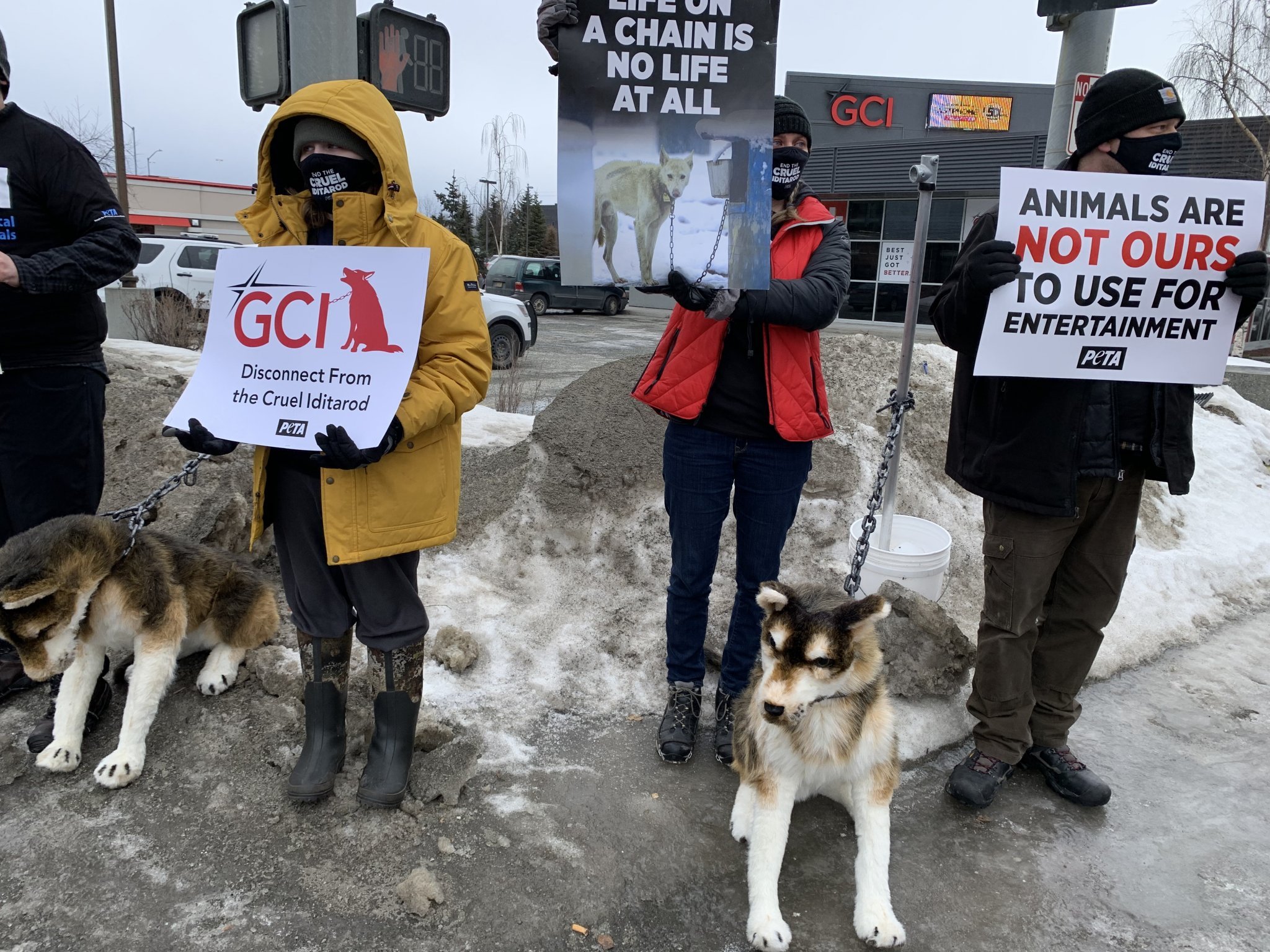
The Dark Side of the Iditarod: Uncovering the Reality of Cruelty in the World's Most Infamous Dog Sled Race
The Iditarod, an annual dog sled race held in Alaska, has been a source of fascination and debate among dog lovers, outdoor enthusiasts, and animal welfare advocates. While the event is touted as a celebration of perseverance and adventure, many have raised concerns about the treatment and welfare of the sled dogs involved. In this article, we'll delve into the reasons why cruelty persists in the Iditarod, exploring the complex issues surrounding the treatment of these magnificent animals.
The Iditarod Trail, spanning over 1,000 miles, is designed to test the endurance and strength of both humans and their canine companions. The racing dogs, a mix of Alaskan Huskies and other breeds, are carefully selected, trained, and conditioned to withstand the harsh Arctic conditions. However, the high-pressure environment of the Iditarod has led to numerous reports of neglect, abuse, and inhumane treatment of the dogs. In recent years, the concerns have grown, with many animal welfare organizations and advocates calling for a re-examination of the event's standards and practices.
The Pressure to Perform
One of the primary reasons cruelty persists in the Iditarod is the pressure to perform. The event's owners, trainers, and mushers are often under immense pressure to deliver a high-performance sled team, with winning times and places dictating the success of their endeavors. This pressure can lead to aggressive training methods, excessive exercise, and inadequate care for the dogs. Many dogs are pushed to their limits, sometimes even beyond, in an effort to achieve the best possible results.
Some teams have been known to employ inhumane training techniques, such as:
- Forcing dogs to run without adequate rest or recovery time
- Using physical punishment or intimidation to control behavior
- Withholding food or water as a means of discipline
- Subjecting dogs to extreme temperatures or weather conditions without proper shelter or protection
These practices not only cause physical harm but also create emotional distress and trauma for the dogs.
The Lack of Regulation
The Iditarod Trail Committee (ITC) is responsible for setting the rules and regulations governing the event. However, the organization has faced criticism for its lack of transparency and inadequate enforcement of animal welfare standards. Many teams and owners feel that the ITC's standards are too lenient, allowing them to skirt the edges of what is acceptable.
The ITC's governing body, the Alaska Governor's office, has been criticized for failing to provide adequate oversight and support for the welfare of the sled dogs. In fact, many of the ITC's regulations have been upheld in court, with opponents arguing that the organization has a duty to protect the dogs from cruelty and neglect.
The Emotional Toll on the Dogs
Sled dogs are highly social animals, and their emotional well-being is deeply connected to their relationships with their human teammates. However, the intense pressure and stress of the Iditarod can take a devastating toll on these dogs. Many dogs experience:
- Post-race depression and anxiety
- Injury or illness due to over-exertion or inadequate care
- Long-term psychological trauma and stress
These emotional and physical consequences can have lasting effects on the dogs' quality of life, often extending beyond the event itself.
The Impact on Human Participants
While the focus is often on the dogs, the Iditarod also takes a toll on human participants. The grueling conditions and high-stakes competition can lead to:
- Physical injuries and illnesses
- Mental health issues, such as anxiety and depression
- Strained relationships and conflicts among team members
The Iditarod is not just an event; it's a way of life for many participants. The intense pressure and physical demands can create a sense of community among mushers and their teams, but it can also lead to burnout, exhaustion, and disillusionment.
The Solution: A More Humane Approach
While there are no easy answers, there are steps that can be taken to improve the treatment and welfare of sled dogs involved in the Iditarod. Some potential solutions include:
- Implementing more stringent regulations and enforcement mechanisms
- Increasing transparency and accountability within the Iditarod organization
- Providing better support and resources for mushers and their teams
- Promoting education and awareness about sled dog welfare and responsible ownership
By working together, we can create a more humane and sustainable future for the Iditarod and its participants. It's time to rethink our approach to this iconic event and prioritize the welfare and well-being of the incredible animals that make it possible.
The future of the Iditarod hangs in the balance, and it's up to us to ensure that the sport is conducted in a way that respects the dignity and needs of its participants – both human and animal.
Recent Post
Unlocking The Secrets Of Menopause: Expert Insights On Navigating Life After 40 With Paolo Tantoco
Tensions Rise As Trump Officials Defend Tariffs Amid Market Volatility And Warnings For Savers And Retirees
Rosie O'Donnell Teases Trump Move, Posts Disruptive Selfie From Abroad
Wings For The Win: Capitals Edge Ducks 7-4 In Thrilling Matchup
Ducks Fall Short: Key Takeaways From Thrilling 7-4 Loss To Capitals
Article Recommendations
- Orlando Brown's Tragic Downfall: A Journey From Stardom To Despair
- Imoo Jung's Love Life: Past Relationships, Current Status, And Future Prospects
- Unveiling The Multifaceted Matthew Gray Gubler: From Criminal Minds To Quirky Director And Writer


:max_bytes(150000):strip_icc()/465443863-56aace223df78cf772b48b59.jpg)

