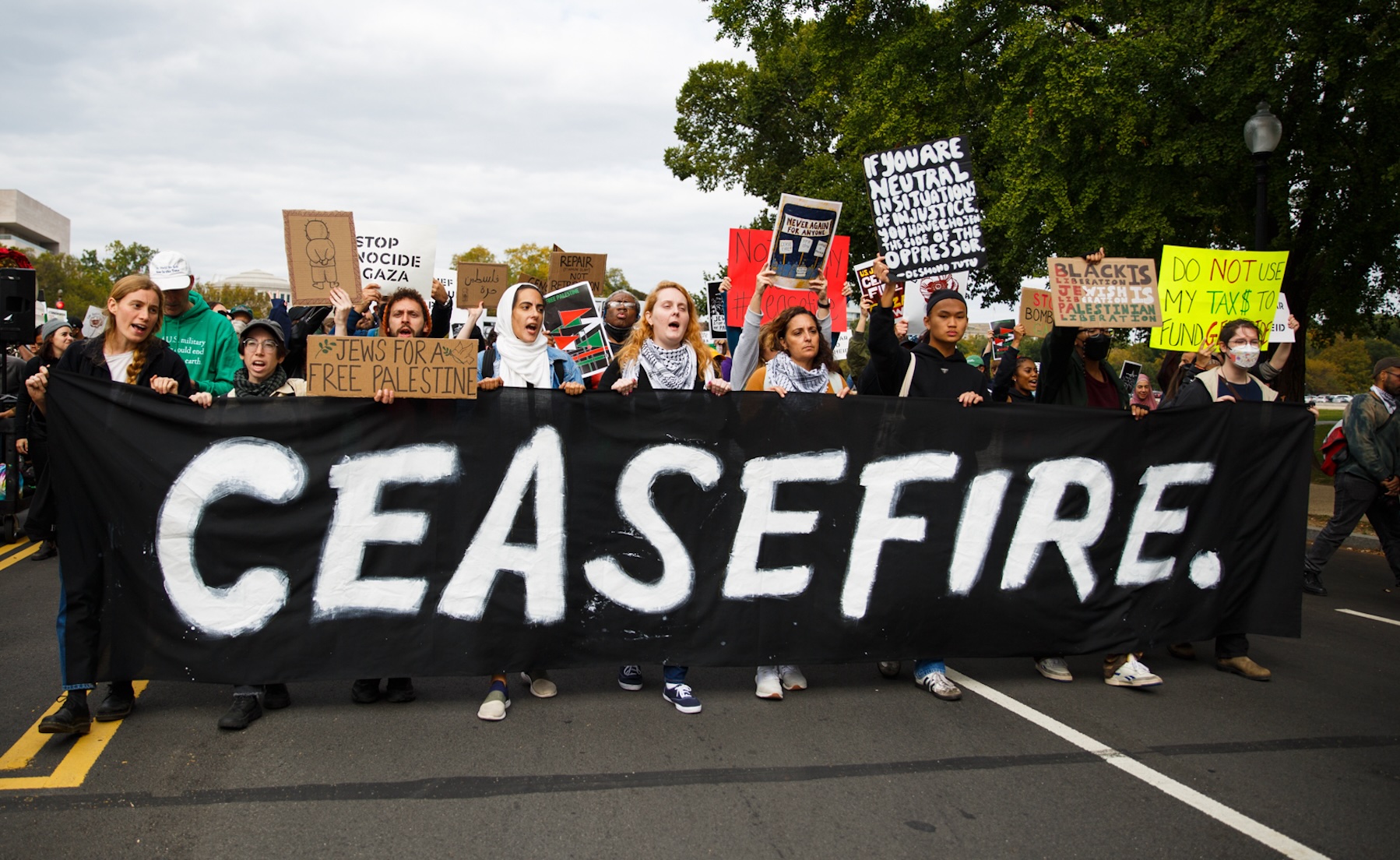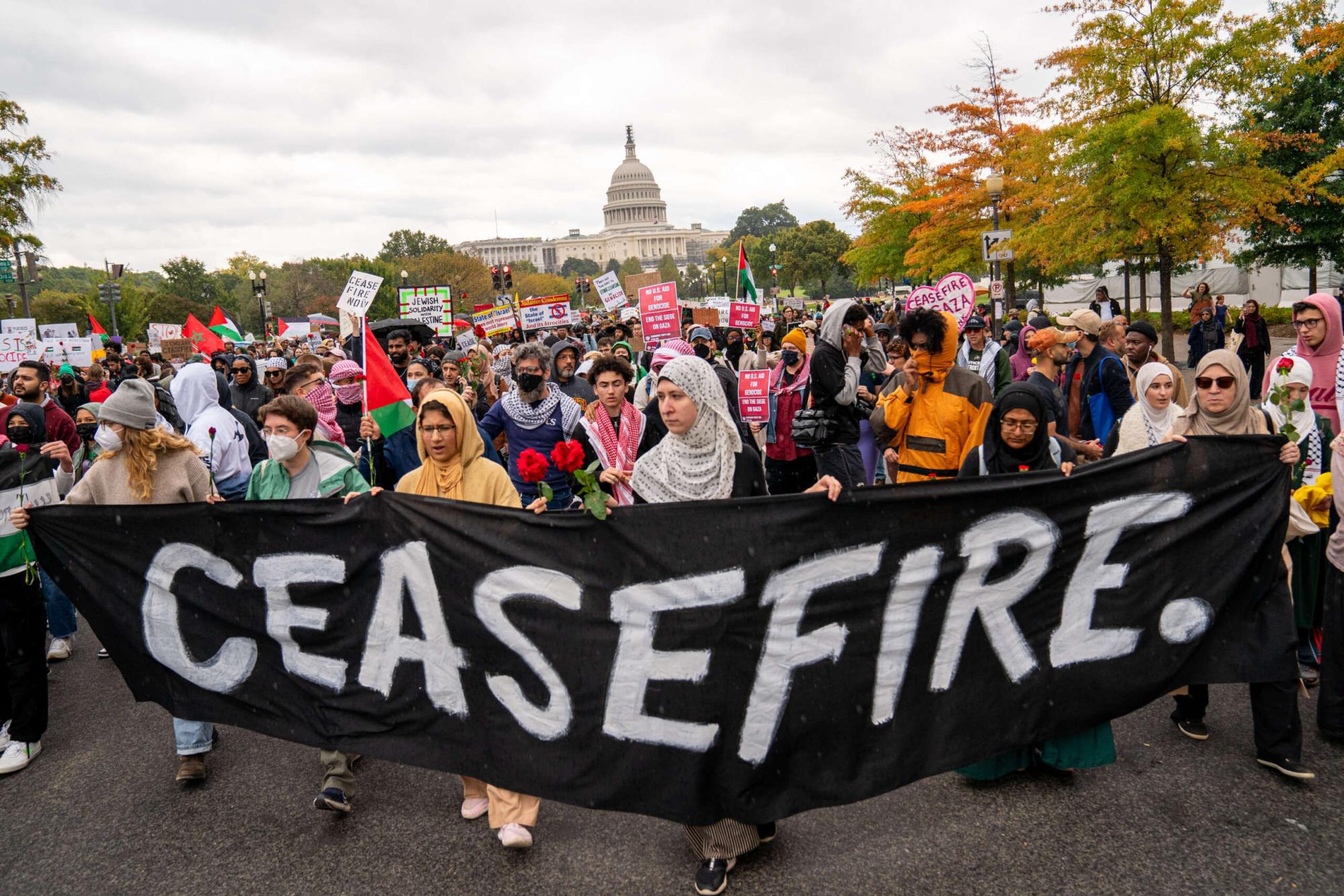
Breaking the Cycle of Violence: Can a Ceasefire Truly Bring Lasting Peace?
The world has witnessed numerous ceasefires in recent years, each with the promise of bringing an end to the cycle of violence and ushering in a new era of peace. However, as we look back at the successes and failures of these ceasefires, a nagging question remains: can a ceasefire truly bring lasting peace, or is it just a fragile truce that can easily turn into a ticking time bomb? In this article, we'll delve into the complexities of ceasefires, exploring their benefits, limitations, and the challenges that lie ahead.
The Benefits of Ceasefires
Ceasefires can provide a much-needed respite from the constant violence and bloodshed, allowing parties to regroup, reassess, and potentially negotiate a more lasting peace. For example, the 2012 ceasefire in Syria, brokered by the United Nations, helped to reduce hostilities and created a window of opportunity for negotiations between the government and opposition groups.
Some of the key benefits of ceasefires include:
• Reduced civilian casualties: Ceasefires can help to minimize the number of innocent lives lost during conflicts, providing a temporary reprieve from the horrors of war.
• Decreased humanitarian needs: By reducing the intensity of fighting, ceasefires can alleviate the pressure on humanitarian organizations to provide aid and shelter to displaced persons.
• Increased opportunities for dialogue: Ceasefires can provide a much-needed catalyst for parties to engage in meaningful dialogue, exploring potential solutions to the underlying conflicts.
The Limitations of Ceasefires
Despite the benefits, ceasefires are not without their limitations. One of the primary challenges is the lack of a clear understanding of the underlying causes of the conflict. Without a deeper understanding of the root causes of the conflict, parties may struggle to address the underlying issues, leading to a recurrence of violence.
Other limitations of ceasefires include:
• Lack of sustainable peace: Ceasefires are often fragile and short-lived, requiring constant effort and commitment to maintain.
• Difficulty in achieving meaningful negotiations: Ceasefires can create a false sense of security, leading parties to prioritize short-term gains over long-term solutions.
• Vulnerability to external interference: Ceasefires can be vulnerable to external interference, including foreign sponsorship or manipulation, which can undermine the negotiating process.
The Challenges of Maintaining a Ceasefire
Maintaining a ceasefire requires a sustained effort from all parties involved. This can be a daunting task, particularly in conflicts characterized by deep-seated mistrust and conflicting interests.
Some of the key challenges in maintaining a ceasefire include:
• Balancing competing interests: Parties may have different priorities and interests, making it challenging to balance competing demands and find common ground.
• Addressing underlying grievances: Ceasefires require parties to address the underlying grievances that fueled the conflict in the first place.
• Managing external pressures: Parties must navigate external pressures, including foreign sponsorship and manipulation, to maintain the ceasefire.
The Role of International Community
The international community plays a crucial role in supporting and maintaining ceasefires. This can involve providing technical assistance, facilitating negotiations, and providing security guarantees.
Some of the ways the international community can support ceasefires include:
• Providing technical assistance: International organizations can provide technical assistance to parties, helping them to develop the capacity and skills needed to negotiate and implement a ceasefire.
• Facilitating negotiations: International mediators can facilitate negotiations between parties, helping to build trust and find common ground.
• Providing security guarantees: International organizations can provide security guarantees, helping to ensure the safety and security of parties during the ceasefire period.
The Case of Yemen
The conflict in Yemen is a prime example of the challenges and complexities involved in maintaining a ceasefire. Despite multiple ceasefires, the conflict has continued, with periodic outbreaks of violence.
Some of the key challenges in Yemen include:
• Deep-seated mistrust: The conflict in Yemen is characterized by deep-seated mistrust between the government and opposition groups, making it challenging to achieve a lasting peace.
• External interference: The conflict in Yemen has been influenced by external actors, including Saudi Arabia and Iran, which has further complicated the situation.
• Economic instability: Yemen's economy has been severely destabilized, creating a dire humanitarian situation and further exacerbating the conflict.
The Way Forward
As we look to the future, it's clear that ceasefires will continue to play a crucial role in the pursuit of lasting peace. However, this requires a sustained effort from all parties involved, as well as the support of the international community.
Some of the key strategies for achieving lasting peace include:
• Addressing underlying grievances: Parties must work to address the underlying grievances that fueled the conflict in the first place.
• Building trust: Parties must work to build trust and establish a sense of security, which is essential for achieving a lasting peace.
• Fostering inclusive dialogue: Ceasefires should be accompanied by inclusive dialogue, involving all parties and stakeholders, to ensure that the needs and interests of all are taken into account.
In conclusion, ceasefires can be a fragile and temporary solution to the cycle of violence, but they can also provide a much-needed catalyst for lasting peace. By understanding the benefits and limitations of ceasefires, addressing the challenges that lie ahead, and working together as a global community, we can create a more sustainable and lasting peace.
Recent Post
Unlocking The Secrets Of Menopause: Expert Insights On Navigating Life After 40 With Paolo Tantoco
Tensions Rise As Trump Officials Defend Tariffs Amid Market Volatility And Warnings For Savers And Retirees
Rosie O'Donnell Teases Trump Move, Posts Disruptive Selfie From Abroad
Wings For The Win: Capitals Edge Ducks 7-4 In Thrilling Matchup
Ducks Fall Short: Key Takeaways From Thrilling 7-4 Loss To Capitals
Article Recommendations
- Unlock The Doors To Luxury Living With Jackoherty: Your Guide To Exceptional Properties
- Rob Lowe Slams Trump's Election Claims: "He Lost. Get Over It
- Meg Turney: Health, Fitness, And Wellness Expert To Empower Your Journey