- Key Components of Capital One's Data Security Policy
- Protecting Your Data with Capital One
- What is Capital One's data breach policy?
- How does Capital One protect sensitive data?
- What can I do to protect my data with Capital One?
- How can I report suspicious activity to Capital One?
- What happens if my data is compromised?
Capital One: Is Your Data SAFE?
As one of the largest banks in the United States, Capital One has built a reputation for providing excellent customer service and innovative financial products. However, with the rise of cybercrime and data breaches, many customers are left wondering if their sensitive information is truly safe with the bank. In this article, we'll delve into the measures Capital One has taken to protect customer data, discuss the bank's data security policies, and explore the potential risks associated with using the bank's services.
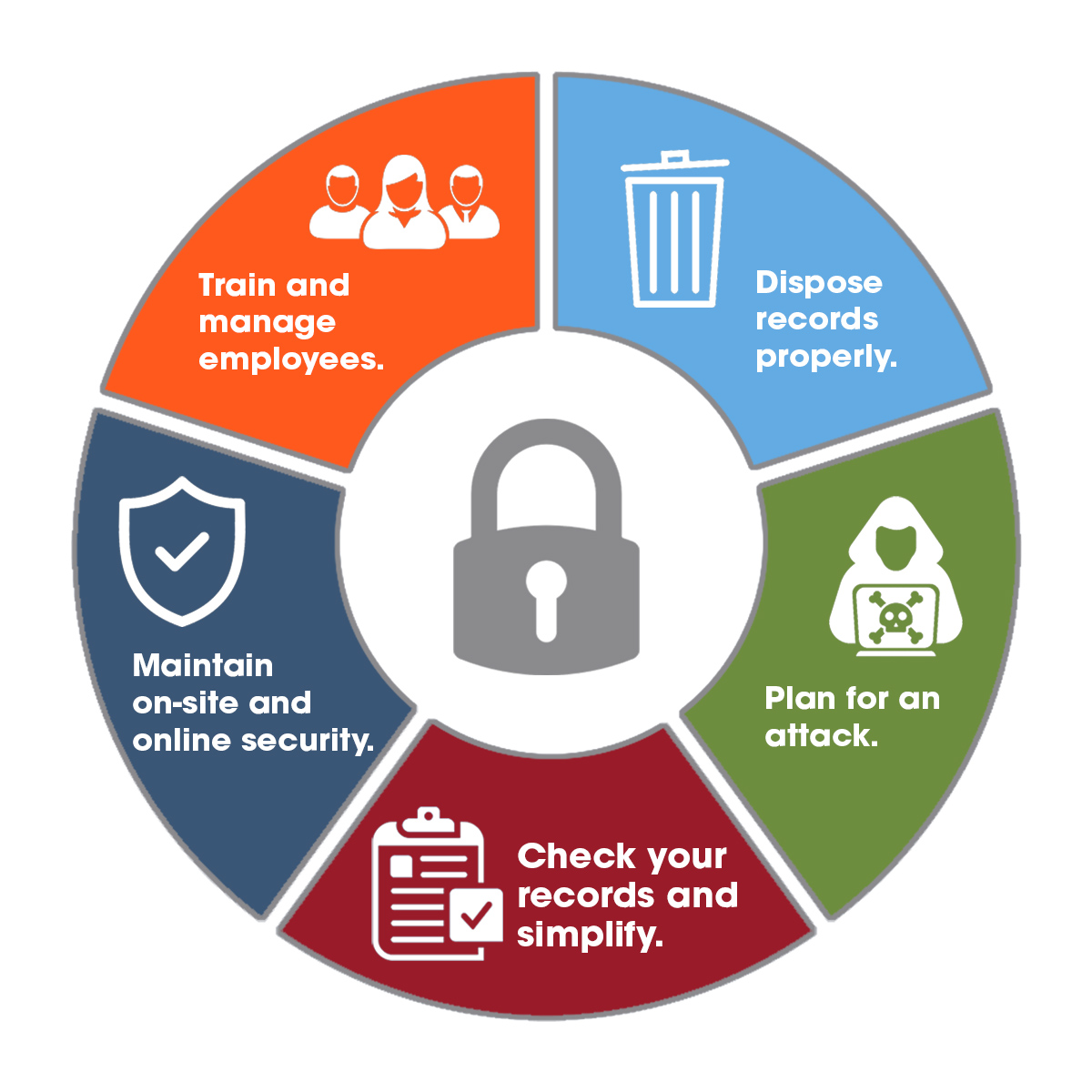
Capital One has made significant investments in technology and security to safeguard customer data. The bank's data centers are designed to meet the highest standards of security, with advanced firewalls, intrusion detection systems, and encryption protocols. Additionally, Capital One's employees undergo rigorous training to ensure they understand the importance of data security and follow strict protocols to protect customer information.
Data Breach History
Despite Capital One's best efforts, the bank has not been immune to data breaches in the past. In 2019, a massive data breach exposed the sensitive information of over 100 million Capital One customers, including Social Security numbers, birth dates, addresses, phone numbers, and credit card numbers. The breach was caused by a security vulnerability in the bank's online application system, which was exploited by hackers. While the breach was a significant incident, Capital One quickly responded by notifying affected customers and offering credit monitoring services.
Data Security Policies
Capital One has a comprehensive data security policy that outlines the measures the bank takes to protect customer data. The policy includes:
- Data Classification: Capital One classifies data into three categories: public, confidential, and sensitive. Sensitive data, such as Social Security numbers and credit card numbers, is protected by advanced encryption protocols and stored in secure data centers.
- Access Controls: Capital One has strict access controls in place to ensure that only authorized employees have access to sensitive data. Employees are required to undergo regular security training and must follow strict protocols to protect customer information.
- Incident Response Plan: Capital One has an incident response plan in place to quickly respond to data breaches or other security incidents. The plan includes procedures for notifying affected customers, assessing damage, and taking corrective action.
Key Components of Capital One's Data Security Policy
- Data Encryption: Capital One uses advanced encryption protocols, such as AES-256, to protect sensitive data both in transit and at rest.
- Two-Factor Authentication: Capital One offers two-factor authentication to provide an additional layer of security for online banking and account management.
- Regular Security Audits: Capital One conducts regular security audits to identify vulnerabilities and ensure that data security protocols are up to date.
Risks Associated with Using Capital One's Services
While Capital One has taken significant steps to protect customer data, there are still potential risks associated with using the bank's services. Some of these risks include:
- Phishing Attacks: Phishing attacks are a common tactic used by hackers to obtain sensitive information from unsuspecting customers. Capital One customers should be vigilant when receiving unsolicited emails or phone calls requesting sensitive information.
- Malware Infections: Malware infections can occur when a customer's device is compromised by a virus or other malicious software. Capital One customers should use antivirus software and keep their operating systems and software up to date.
- Data Leaks: Data leaks can occur when sensitive information is accessed or shared without authorization. Capital One customers should be cautious when sharing sensitive information with others.
Protecting Your Data with Capital One
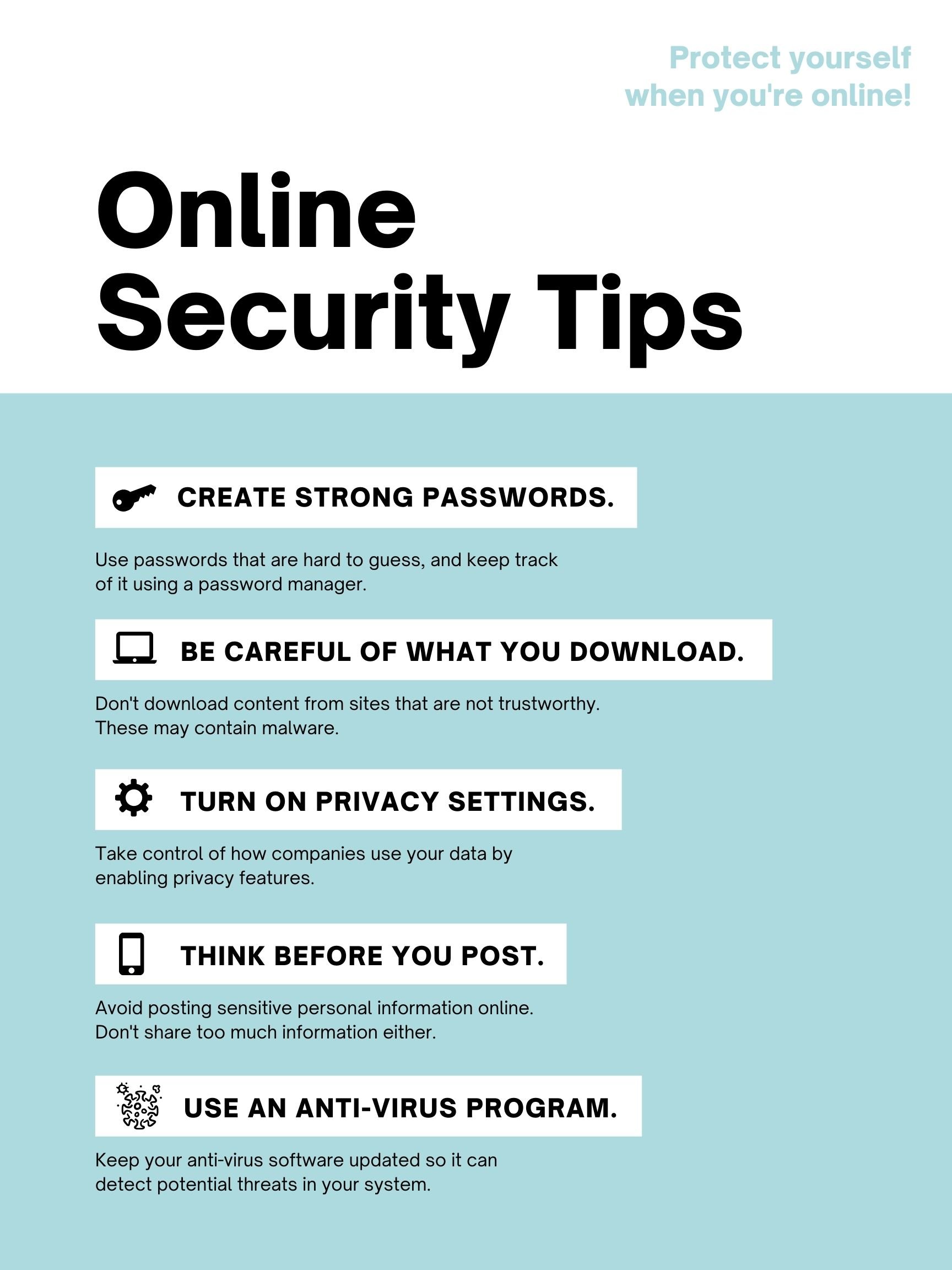
To protect your data with Capital One, follow these best practices:
- Use Strong Passwords: Use strong, unique passwords for all online banking and account management accounts.
- Enable Two-Factor Authentication: Enable two-factor authentication to provide an additional layer of security for online banking and account management.
- Keep Your Devices Up to Date: Keep your operating systems and software up to date to prevent malware infections.
- Monitor Your Accounts Regularly: Monitor your accounts regularly for suspicious activity and report any issues to Capital One immediately.
Capital One's Commitment to Data Security
Capital One is committed to protecting customer data and has taken significant steps to ensure the security of its services. The bank's data security policies and procedures are designed to prevent data breaches and protect sensitive information. However, as with any financial institution, there are potential risks associated with using Capital One's services.
By following the best practices outlined in this article and staying vigilant about data security, Capital One customers can enjoy the benefits of banking with a reputable and secure financial institution.
Frequently Asked Questions
What is Capital One's data breach policy?
Capital One has a comprehensive data breach policy that outlines the measures the bank takes to protect customer data. The policy includes data classification, access controls, and an incident response plan.
How does Capital One protect sensitive data?
Capital One protects sensitive data with advanced encryption protocols, such as AES-256, and stores it in secure data centers. Employees are also required to undergo regular security training and must follow strict protocols to protect customer information.
What can I do to protect my data with Capital One?
To protect your data with Capital One, follow best practices such as using strong passwords, enabling two-factor authentication, keeping your devices up to date, and monitoring your accounts regularly.
How can I report suspicious activity to Capital One?
If you notice suspicious activity on your account, report it to Capital One immediately. You can contact Capital One's customer service department by phone, email, or online chat.
What happens if my data is compromised?
If your data is compromised, Capital One will notify you and offer credit monitoring services to help protect your identity.
Recent Post
Unlocking The Secrets Of Menopause: Expert Insights On Navigating Life After 40 With Paolo Tantoco
Tensions Rise As Trump Officials Defend Tariffs Amid Market Volatility And Warnings For Savers And Retirees
Rosie O'Donnell Teases Trump Move, Posts Disruptive Selfie From Abroad
Wings For The Win: Capitals Edge Ducks 7-4 In Thrilling Matchup
Ducks Fall Short: Key Takeaways From Thrilling 7-4 Loss To Capitals
Article Recommendations
- Patrick Fugit: A Talented Actor With A Diverse Career
- Brandon David Jackson: The Journey Of A Rising Star
- Neil Flynn: The Hilarious And Versatile Actor From Seinfeld To The Middle