- Local Fire Danger Rating Explained
- Creating a Defensible Space
- Removing Flammable Materials
- Trimming Trees and Shrubs
- Improving Your Gutters and Downspouts
- Using Fire-Resistant Materials
- Identifying Safe Routes
- Staying Informed
- Creating a Communication Plan
- Staying Safe During the Evacuation
- Packing a Survival Kit
- Protecting Valuables
- Using Fire-Resistant Storage
- Creating a Fire Insurance Plan
- Safety Precautions
- Damage Assessment
- Filing a Claim
Brush Fire Inferno: How to Survive a Wildfire and Save Your Home
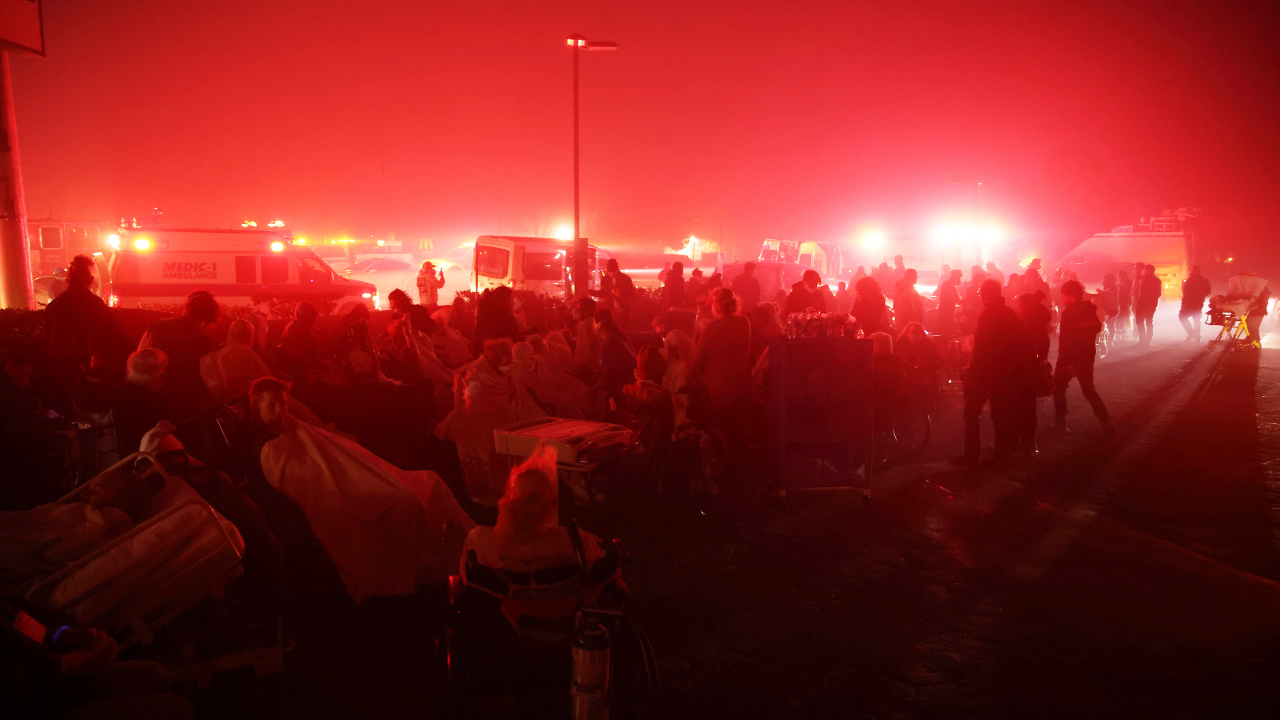
As the summer months approach, the risk of wildfires increases, putting countless lives, homes, and communities at risk. A brush fire can quickly spread, fueled by dry vegetation, strong winds, and warm temperatures, becoming an inferno that ravages entire neighborhoods. With the devastating effects of wildfires still fresh in our minds, it's essential to know how to survive and protect your home in the face of this growing threat.
Wildfires are not a new phenomenon, but the frequency and intensity of these events have increased significantly over the past few decades. Climate change, drought, and human activity are all contributing factors to the rising risk of wildfires. As a homeowner, it's crucial to be prepared and take proactive steps to protect your property and loved ones. In this article, we'll provide you with essential tips and strategies to survive a brush fire and save your home.
Understanding Wildfire Risk
Before we dive into the survival and protection tips, it's essential to understand the wildfire risk in your area. Researching the local fire danger rating is the first step in determining your level of risk. The National Fire Danger Rating System (NFDRS) is a widely used system that rates wildfires from low to extreme. Understanding your local fire danger rating will help you make informed decisions about your property and daily activities.
Local Fire Danger Rating Explained
The NFDRS assigns a rating of 0 to 6, with 0 being the lowest and 6 being the highest. The rating is based on several factors, including:
• Moisture levels in the atmosphere
• Temperature and humidity
• Wind speed and direction
• Fuel moisture (dryness of vegetation)
By understanding your local fire danger rating, you can take steps to reduce your risk of wildfires and protect your home.
Preparing Your Home
Preparing your home for a wildfire is crucial to saving your property and loved ones. Here are some essential steps to take:
Creating a Defensible Space
A defensible space is the area around your home that is protected from wildfires. This area should be clear of flammable materials, such as dead leaves, branches, and debris. The recommended size of a defensible space varies depending on the local fire danger rating, but it's essential to create a space that's at least 30 feet wide and extends at least 100 feet from the home.
Removing Flammable Materials
Remove any flammable materials from the defensible space, including:
• Dead leaves and branches
• Dry grass and weeds
• Debris and trash
• Fences and gates
Trimming Trees and Shrubs
Trim trees and shrubs to reduce the risk of branches igniting and spreading to your home. Remove any dead or dying branches, and keep trees and shrubs at least 10 feet away from your home.
Improving Your Gutters and Downspouts
Clear your gutters and downspouts to ensure that water can flow freely. Clogged gutters and downspouts can catch debris and sparks, igniting a wildfire.
Using Fire-Resistant Materials
Use fire-resistant materials when building or repairing your home. Consider using:
• Fire-resistant roofing materials
• Asphalt shingles
• Ceramic or stone tile
• Fire-resistant siding
Creating a Wildfire Survival Plan
A wildfire survival plan is essential in case you're unable to evacuate your home. Here are some critical steps to take:
Identifying Safe Routes
Identify safe routes to evacuate your home in case of a wildfire. Consider:
• Main roads and highways
• Emergency roads and evacuation routes
• Nearby shelters and community centers
Staying Informed
Stay informed about the wildfire's location, size, and spread using:
• Local news and weather reports
• Emergency alert systems
• Wildfire monitoring websites and apps
Creating a Communication Plan
Create a communication plan with your family, including:
• Designating a meeting point outside the danger zone
• Establishing a communication contact person
• Setting up a family messaging system
Staying Safe During the Evacuation
Stay safe during the evacuation by:
• Following evacuation orders immediately
• Staying on designated roads and routes
• Keeping windows and doors closed
• Avoiding strong winds and sparks
Protecting Your Belongings
Protecting your belongings from wildfires requires careful planning and preparation. Here are some essential tips:
Packing a Survival Kit
Pack a survival kit with essential items, including:
• Water and non-perishable food
• First aid supplies
• Flashlights and batteries
• Important documents and medications
Protecting Valuables
Protect valuable items, such as:
• Electronics and appliances
• Jewelry and irreplaceable family heirlooms
• Important documents and papers
Using Fire-Resistant Storage
Use fire-resistant storage containers to protect items from heat and flames. Consider:
• Fire-resistant boxes and cabinets
• Steel or concrete storage containers
• Climate-controlled storage facilities
Creating a Fire Insurance Plan
Create a fire insurance plan to protect your belongings from financial loss. Research local insurance options and consider:
• Homeowners insurance
• Renters insurance
• Contents insurance
After the Fire
After the fire has passed, it's essential to assess the damage and take steps to recover. Here are some critical steps to take:
Safety Precautions
Take safety precautions when entering your home, including:
• Avoiding fallen power lines and sharp debris
• Wearing protective gear, such as gloves and goggles
• Being cautious of heat and sparks
Damage Assessment
Assess the damage to your home and property, including:
• Roof and wall damage
• Structural damage
• Electrical and plumbing damage
Filing a Claim
File a claim with your insurance provider to receive compensation for your losses. Make sure
Recent Post
Unlocking The Secrets Of Menopause: Expert Insights On Navigating Life After 40 With Paolo Tantoco
Tensions Rise As Trump Officials Defend Tariffs Amid Market Volatility And Warnings For Savers And Retirees
Rosie O'Donnell Teases Trump Move, Posts Disruptive Selfie From Abroad
Wings For The Win: Capitals Edge Ducks 7-4 In Thrilling Matchup
Ducks Fall Short: Key Takeaways From Thrilling 7-4 Loss To Capitals
Article Recommendations
- Unveiling The Enchanting World Of Chloandmatt: A Journey Into Love, Adventure, And Inspiration
- Tony Hinchcliffe And His Open Marriage: A Non-Traditional Love Story
- Connie Nio Case: Unraveling The Complexities Of Data Privacy In The Digital Age