BRICS Nations: The Rise of a New Global Powerhouse
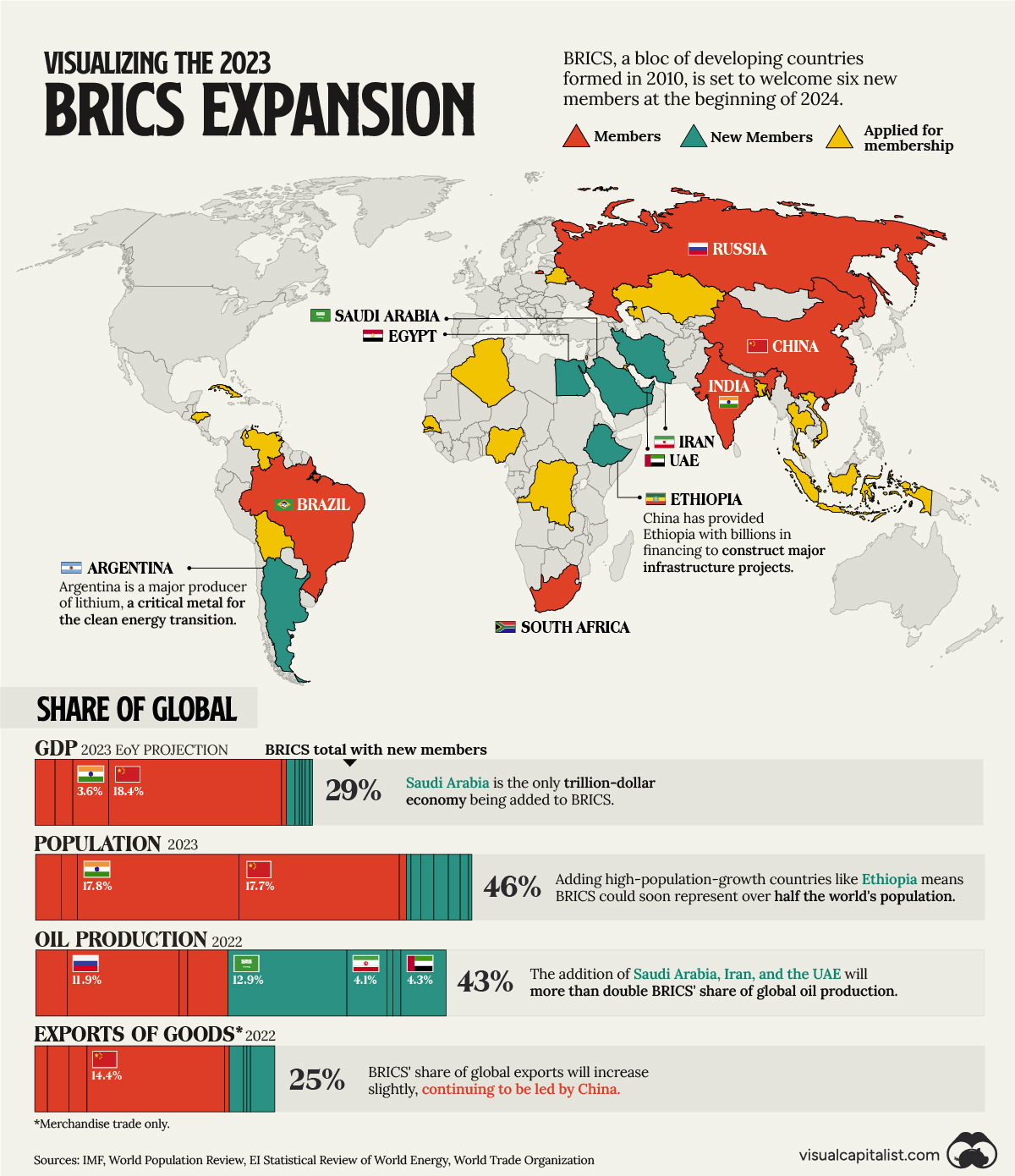
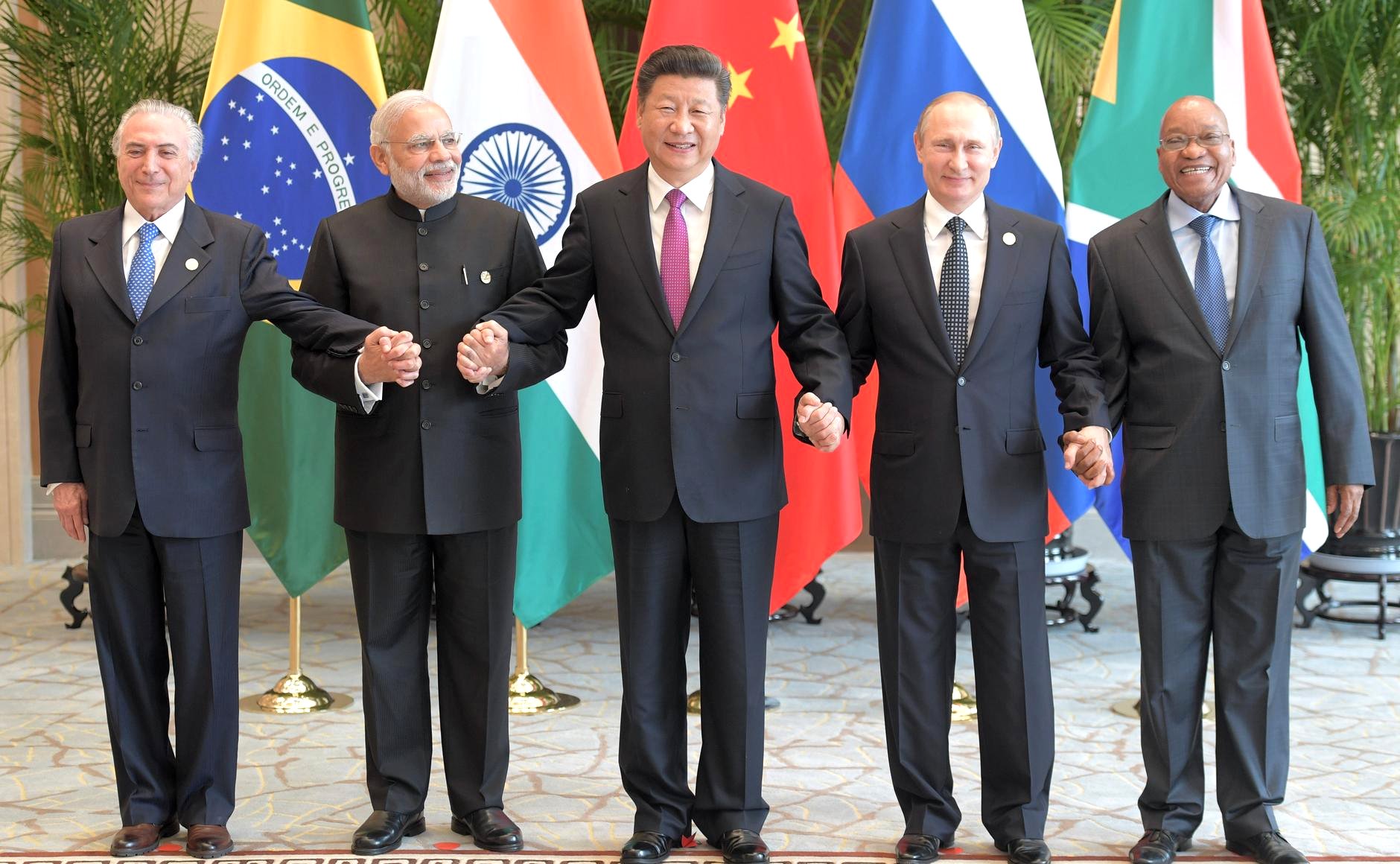
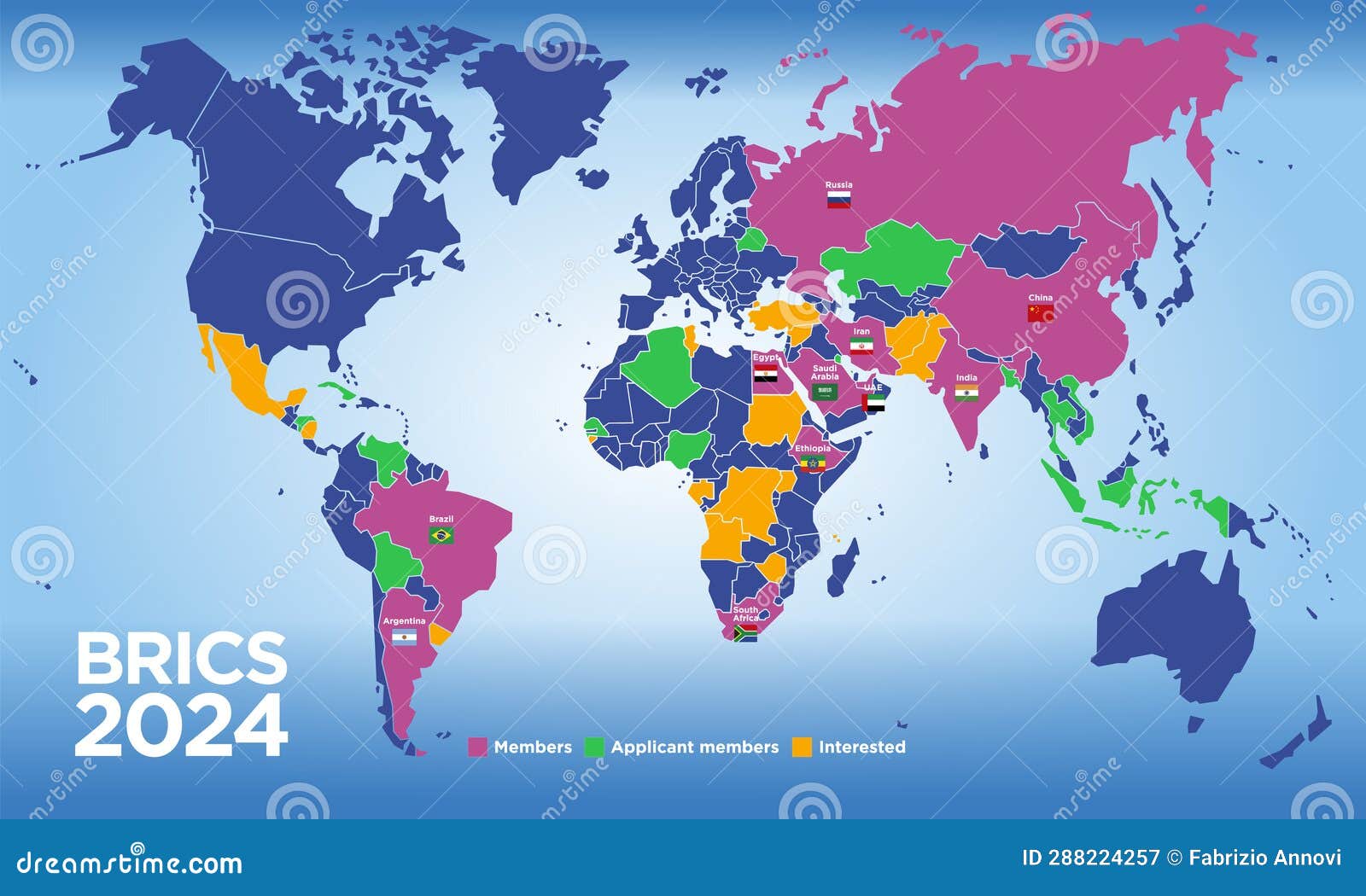
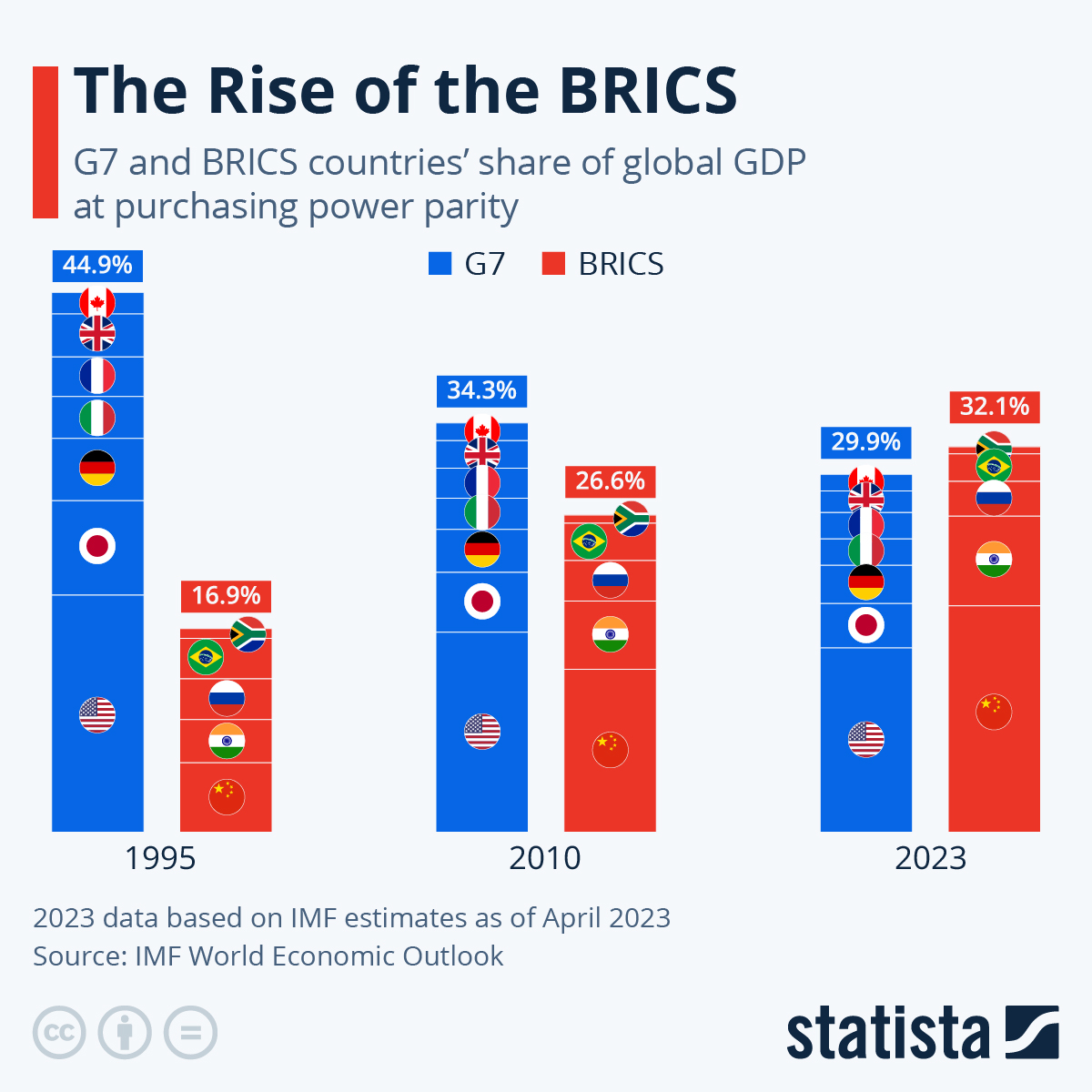
The world of international relations is witnessing a significant shift, as the BRICS nations are emerging as a formidable force in global politics, economies, and cultures. For years, the Western-dominated global landscape has been characterized by the US dollar, European Union, and traditional powerhouses like Japan and Germany. However, the rising economies of Brazil, Russia, India, China, and South Africa are challenging this status quo, carving out a new global order that is reshaping the rules of international trade, security, and governance.
The BRICS nations, formed in 2006, represent the largest and most dynamic emerging markets in the world. With combined economic outputs surpassing $10 trillion, these nations are not only competing with the traditional Western powers but also challenging their dominance in various fields. The rise of BRICS is driven by several factors, including the growing economies, increasing global demand for their resources, and the need for a more inclusive and equitable global governance framework.
The Rise of Emerging Markets
The rise of emerging markets has been a defining feature of the 21st century. As the global economy has become increasingly interconnected, countries like China, India, and Brazil have emerged as significant players. These nations have made tremendous progress in terms of economic growth, industrialization, and urbanization, making them attractive destinations for foreign investment and trade.
Drivers of Economic Growth
Several factors have contributed to the economic growth of BRICS nations:
- Natural Resources: The BRICS nations are endowed with an abundance of natural resources, including oil, gas, minerals, and metals. China, in particular, has become a major player in the global energy market, while India is increasingly investing in renewable energy sources.
- Large and Growing Middle Class: The BRICS nations have a large and growing middle class, which has led to an increase in consumer spending and demand for goods and services.
- Export-Led Growth: The BRICS nations have focused on export-led growth strategies, which have enabled them to tap into the global market and increase their trade volumes.
- Government Support: The governments of BRICS nations have implemented policies to promote economic growth, such as investing in infrastructure, education, and healthcare.
Global Governance and Security
The BRICS nations are not only focusing on economic growth but also on strengthening their global governance framework and enhancing their security. The Shanghai Cooperation Organization (SCO), established in 2001, is a prime example of BRICS-led regional cooperation, which aims to promote peace, stability, and security in Central Asia and beyond.
Regional Initiatives
The BRICS nations have launched several regional initiatives to promote cooperation and collaboration:
- SCO: The Shanghai Cooperation Organization brings together eight member states, including China, Russia, India, and Pakistan, to promote regional security and stability.
- Eurasian Economic Union: The Eurasian Economic Union is a customs union that aims to promote economic integration among member states, including Russia, Belarus, Kazakhstan, and Kyrgyzstan.
- BRICS Regional Forum: The BRICS Regional Forum is a platform for regional dialogue and cooperation, which brings together government officials, business leaders, and civil society representatives from across the region.
Culture and Education
The BRICS nations are not only driving economic growth but also promoting cultural exchange and education. The BRICS nations have made significant investments in education, with a focus on science, technology, engineering, and mathematics (STEM) fields.
Cultural Exchange
The BRICS nations are increasingly engaging in cultural exchange programs, which aim to promote mutual understanding and cooperation:
- Cultural Festivals: The BRICS nations have organized cultural festivals, such as the BRICS Cultural Festival, which celebrates the rich cultural heritage of the region.
- Language Education: The BRICS nations have launched language education programs, which aim to promote language learning and cultural exchange.
- Art and Tourism: The BRICS nations are promoting art and tourism, with a focus on preserving cultural heritage sites and promoting regional tourism.
Challenges and Opportunities
Despite their growth and development, the BRICS nations face several challenges, including corruption, inequality, and environmental degradation. However, these challenges also present opportunities for innovation, entrepreneurship, and cooperation.
Addressing Challenges
The BRICS nations have recognized the need to address their challenges and have launched initiatives to promote governance, transparency, and accountability:
- Anti-Corruption: The BRICS nations have launched anti-corruption initiatives, which aim to promote transparency and accountability in government and business.
- Inclusive Growth: The BRICS nations have recognized the need for inclusive growth, which has led to initiatives promoting social and economic equality.
- Sustainable Development: The BRICS nations have emphasized the need for sustainable development, which has led to initiatives promoting environmental protection and conservation.
Conclusion
The BRICS nations are emerging as a new global powerhouse, driven by economic growth, global demand for their resources, and the need for a more inclusive and equitable global governance framework. As the world continues to evolve, the BRICS nations are poised to play a significant role in shaping the future of international relations, economies, and cultures.
Future Outlook
The future of the BRICS nations is bright, with several opportunities and challenges ahead:
- Growing Global Influence: The BRICS nations are expected to continue growing in influence, with a focus on promoting their interests and values in global forums.
- Economic Cooperation: The BRICS nations are expected to deepen economic cooperation, with a focus on promoting trade, investment, and infrastructure development.
- Regional Security: The BRICS nations are expected to continue promoting regional security, with a focus on promoting peace, stability, and cooperation in Central Asia and beyond.
As the world watches the rise of the BRICS nations, it is clear that these countries are here to stay, and their influence will only continue to grow in the years
Recent Post
Unlocking The Secrets Of Menopause: Expert Insights On Navigating Life After 40 With Paolo Tantoco
Tensions Rise As Trump Officials Defend Tariffs Amid Market Volatility And Warnings For Savers And Retirees
Rosie O'Donnell Teases Trump Move, Posts Disruptive Selfie From Abroad
Wings For The Win: Capitals Edge Ducks 7-4 In Thrilling Matchup
Ducks Fall Short: Key Takeaways From Thrilling 7-4 Loss To Capitals
Article Recommendations
- Discover The Power Of Kessinger Nichol: Unlocking Data-Driven Marketing Success
- Matthew Gray Gubler's Controversial Comments: An Insider's Perspective
- Taylor Swift's Incredible Weight Loss Journey: Secrets Revealed