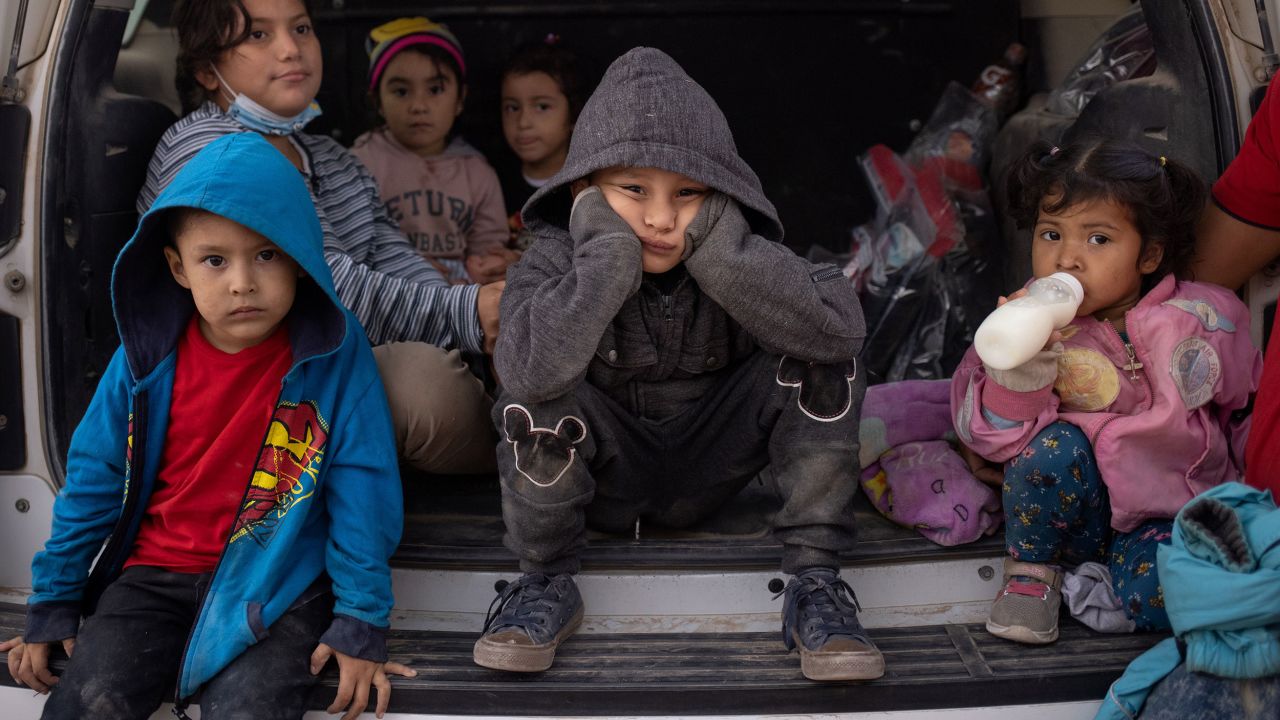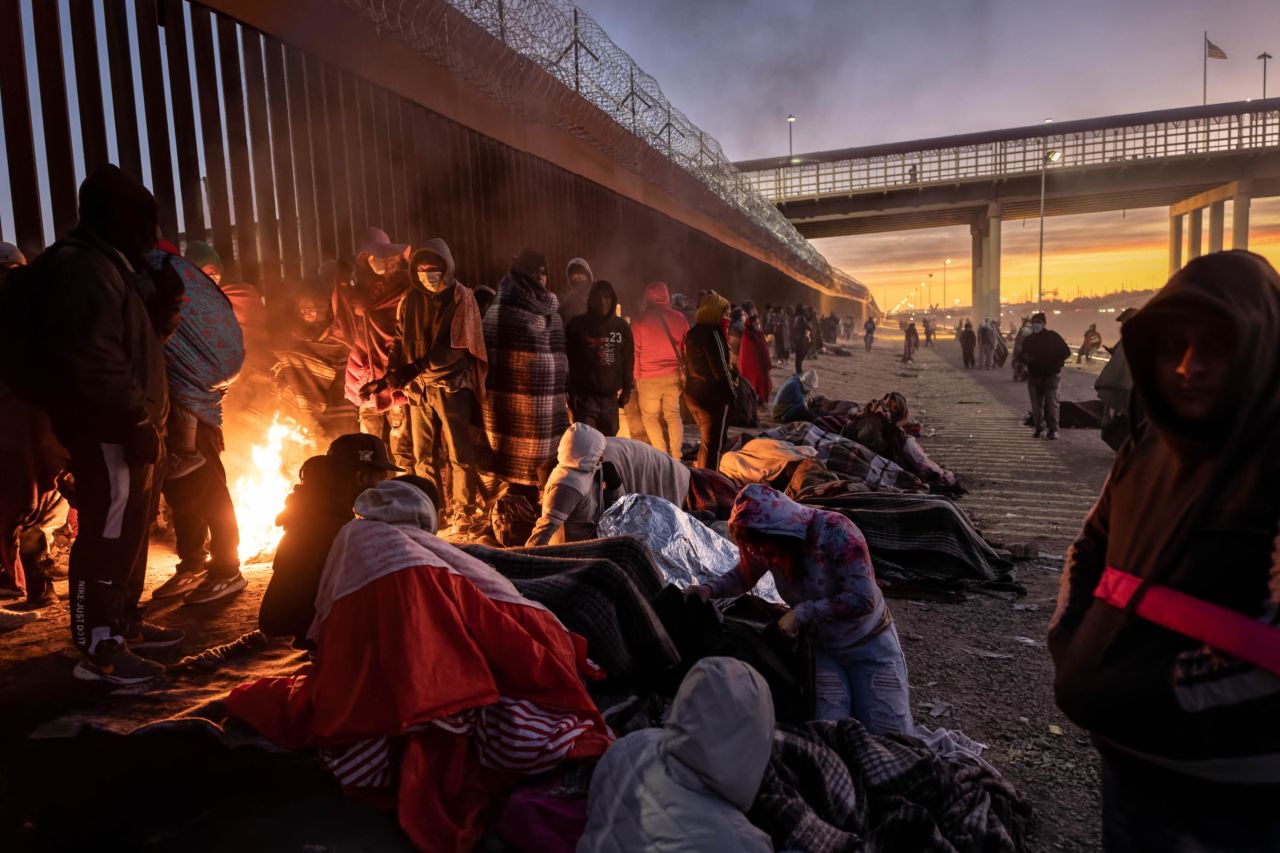
Crisis on the Border: The Harsh Reality of the US-Mexico Border Situation
The US-Mexico border has long been a point of contention and debate in the United States, with discussions about immigration, security, and economic issues swirling around the topic. In recent years, the situation has reached a boiling point, with the COVID-19 pandemic and the ongoing COVID-19-related disruptions to the global economy exacerbating the existing tensions. The result is a crisis on the border that affects not only the individuals and communities affected but also the entire nation.
The crisis on the border is multifaceted, with various factors contributing to the problem. One of the primary concerns is the large number of people attempting to cross the border, many of whom are fleeing violence, persecution, or economic hardship in their home countries. The COVID-19 pandemic has further complicated the situation, as many migrants have been unable to access work or other forms of support due to travel restrictions and border closures.
Another issue is the lack of clear policies and procedures for processing and handling migrants. The US government has faced criticism for its handling of the situation, with many arguing that the current system is inadequate and inhumane. The processing of asylum claims, in particular, has been a source of controversy, with some critics arguing that the system is too slow and inefficient.
Furthermore, the crisis on the border has significant economic implications. The influx of migrants has put pressure on local resources, including housing, healthcare, and social services. The cost of providing these services to migrants has been estimated to be in the billions of dollars, with some estimates suggesting that the total cost could be even higher.
The crisis on the border also has significant national security implications. The porous border has long been a concern for law enforcement officials, who worry about the potential for terrorism, human trafficking, and other crimes. The presence of large numbers of migrants on the border also raises concerns about the potential for violence and disorder.
Causes of the Crisis
The crisis on the border is the result of a complex interplay of various factors, including:
- Economic inequality and poverty in the US and Latin America
- Conflict and violence in Central America
- Lack of clear policies and procedures for processing and handling migrants
- COVID-19 pandemic and related disruptions to the global economy
- Racial and socioeconomic tensions in the US
Economic Inequality and Poverty
One of the primary drivers of the crisis on the border is economic inequality and poverty in the US and Latin America. Many people in the US are struggling to make ends meet, with stagnant wages and rising costs of living making it difficult to afford basic necessities. At the same time, many countries in Latin America are experiencing high levels of poverty and inequality, with limited economic opportunities and social services.
The result is a large number of people in both countries who are seeking to migrate to the US in search of better economic opportunities. However, this migration is often difficult and expensive, with many people facing long and arduous journeys to reach the border.
Conflict and Violence in Central America
Another factor contributing to the crisis on the border is conflict and violence in Central America. Countries such as Honduras, Guatemala, and El Salvador have experienced high levels of violence and instability in recent years, with organized crime and gang activity on the rise.
The result is a large number of people fleeing these countries in search of safety and security. Many of these migrants are fleeing violence and persecution, with some even facing death threats and human rights abuses.
Lack of Clear Policies and Procedures
The crisis on the border is also the result of a lack of clear policies and procedures for processing and handling migrants. The US government has faced criticism for its handling of the situation, with many arguing that the current system is inadequate and inhumane.
The processing of asylum claims, in particular, has been a source of controversy, with some critics arguing that the system is too slow and inefficient. The result is a backlog of asylum cases, with many people waiting months or even years for their claims to be processed.
COVID-19 Pandemic and Related Disruptions
The COVID-19 pandemic has further complicated the situation on the border, with many migrants facing significant disruptions to their travel plans and border closures affecting the ability of migrants to access work and other forms of support.
The pandemic has also had significant economic implications, with many businesses and industries affected by the closures and lockdowns. The result is a large number of people struggling to make ends meet, with many facing financial hardship and economic uncertainty.
Racial and Socioeconomic Tensions
The crisis on the border is also a reflection of deeper racial and socioeconomic tensions in the US. Many people in the US view migrants as a threat to national security and economic stability, with some arguing that they are taking jobs and resources away from native-born citizens.
However, others argue that the crisis on the border is a symptom of deeper issues, including poverty, inequality, and racism. The crisis on the border is often portrayed as a border security issue, but it is also a human rights issue, with many migrants facing significant challenges and hardships as they seek to access safety and security.
Consequences of the Crisis
The crisis on the border has significant consequences for individuals, communities, and the nation as a whole. Some of the key consequences include:
- Humanitarian Crisis: The crisis on the border is a humanitarian crisis, with many migrants facing significant challenges and hardships as they seek to access safety and security.
- Economic Consequences: The crisis on the border also has significant economic implications, with many businesses and industries affected by the closures and lockdowns.
- National Security Implications: The crisis on the border also has significant national security implications, with concerns about terrorism, human trafficking, and other crimes.
- Racial and Socioeconomic Tensions: The crisis on the border is also a
Recent Post
Unlocking The Secrets Of Menopause: Expert Insights On Navigating Life After 40 With Paolo Tantoco
Tensions Rise As Trump Officials Defend Tariffs Amid Market Volatility And Warnings For Savers And Retirees
Rosie O'Donnell Teases Trump Move, Posts Disruptive Selfie From Abroad
Wings For The Win: Capitals Edge Ducks 7-4 In Thrilling Matchup
Ducks Fall Short: Key Takeaways From Thrilling 7-4 Loss To Capitals
Article Recommendations
- Matthew Labyorteaux: A Surprising Journey To Financial Success
- Discover The Inspiring Journey Of Mary Marquardt: A Trailblazer In Business And Life
- Mamitha Baiju: The Rising Star Of South Indian Cinema