Fleeing For Their Lives: 80,000+ Congolese Escape Amid Ongoing Violence And Abuse
The Democratic Republic of Congo (DRC) has long been plagued by conflict, corruption, and human rights abuses, pushing hundreds of thousands of people to flee their homes in search of safety. According to reports from the United Nations, over 80,000 Congolese have escaped the country in recent months, fleeing the ongoing violence and abuse that has gripped the region. This article will delve into the crisis unfolding in the DRC, exploring the root causes of the violence, the devastating impact on civilians, and the efforts being made to provide aid and support to those affected.
The DRC has been embroiled in conflict for decades, with multiple rebel groups, militias, and government forces vying for power and control. The region is rich in natural resources, including diamonds, gold, and cobalt, which has drawn in various external actors, including neighboring countries and international companies. However, this has led to a complex web of interests and allegiances, fueling the conflict and perpetuating the violence.
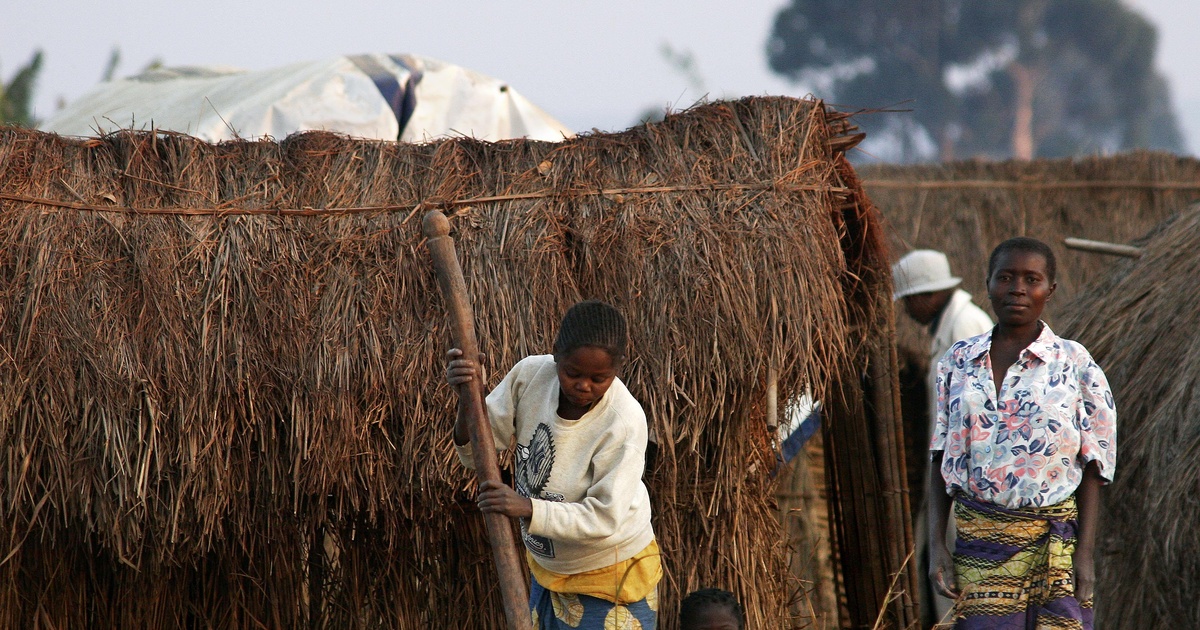
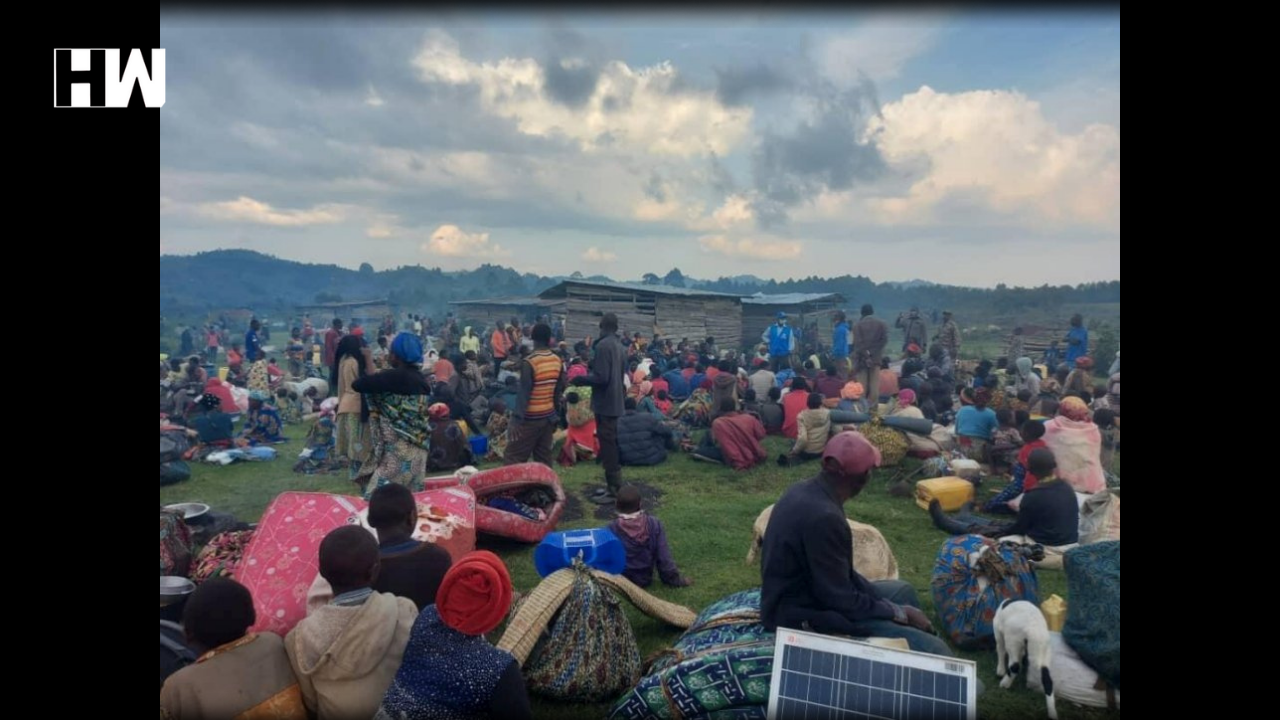
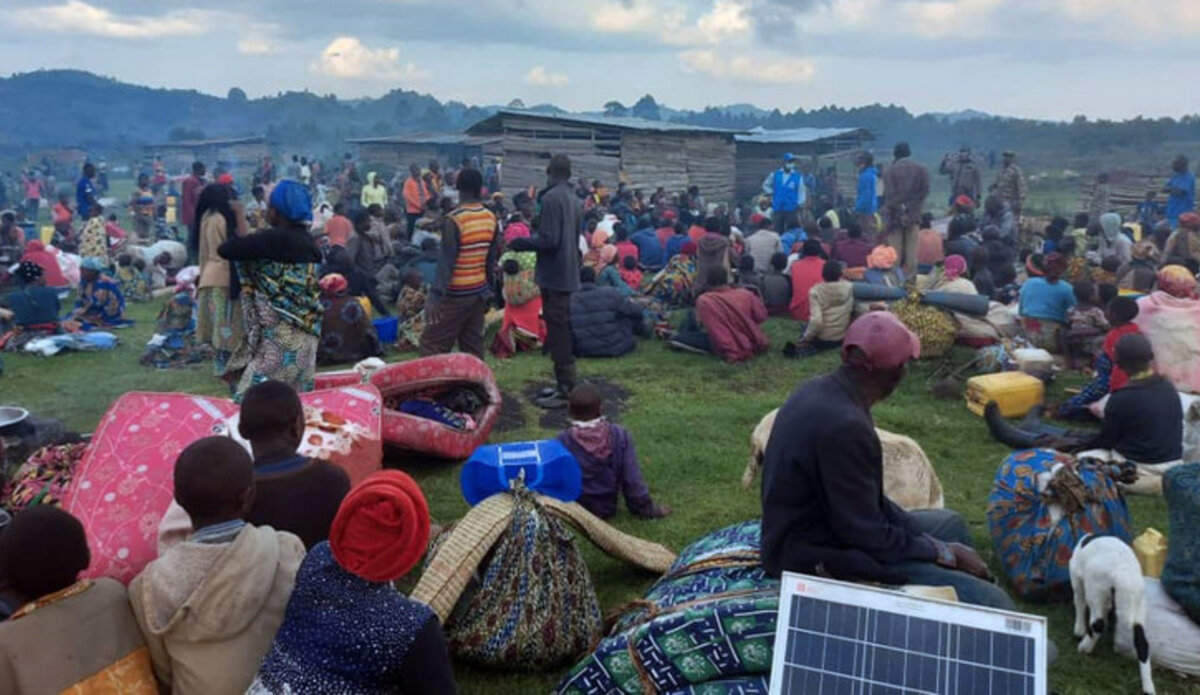
The humanitarian crisis in the DRC is stark. Civilians are caught in the crossfire, with many forced to flee their homes to escape the violence. According to the United Nations High Commissioner for Refugees (UNHCR), over 4.5 million people are currently displaced within the country, with many more at risk of being forced to flee.
The Root Causes of the Violence
The violence in the DRC is multifaceted, with various factors contributing to the ongoing conflict. Some of the key root causes include:
• Corruption: Widespread corruption has led to instability and weakness at the highest levels of government, creating an environment in which violence can thrive.
• External interference: Neighboring countries, including Rwanda and Uganda, have been accused of supporting rebel groups and militias, fueling the conflict and perpetuating the violence.
• Resource exploitation: The DRC's rich natural resources have drawn in external actors, leading to a complex web of interests and allegiances that have contributed to the conflict.
• Government instability: The government's inability to provide security and stability has led to widespread disillusionment and frustration among civilians, who are increasingly turning to armed groups for protection.
The Devastating Impact on Civilians
The violence in the DRC has had a devastating impact on civilians, with many facing extreme hardship and suffering. Some of the key consequences include:
• Displacement: Over 4.5 million people are currently displaced within the country, with many more at risk of being forced to flee.
• Human rights abuses: Civilians have been subjected to widespread human rights abuses, including forced recruitment into armed groups, rape, and other forms of violence.
• Economic hardship: The conflict has led to widespread economic hardship, with many civilians struggling to access basic necessities like food and healthcare.
• Psychological trauma: The violence has left deep psychological scars, with many civilians struggling to cope with the trauma and stress of living in a conflict zone.
The Human Cost of the Conflict
The human cost of the conflict in the DRC cannot be overstated. Civilians are bearing the brunt of the violence, with many facing extreme hardship and suffering. Some of the most striking examples include:
• The rape of women and girls: Civilians, particularly women and girls, have been subjected to widespread rape and other forms of sexual violence.
• The forced recruitment of children: Children have been forced to join armed groups, many of whom are no more than 12 years old.
• The use of child soldiers: Children have been used as human shields, sentries, and even fighters in the conflict.
• The killing of civilians: Civilians have been killed in revenge attacks, massacres, and other forms of violence.
Efforts to Provide Aid and Support
Despite the challenges, there are efforts underway to provide aid and support to those affected by the conflict. Some of the key initiatives include:
• Humanitarian assistance: The United Nations and other humanitarian organizations are providing food, shelter, and other essential services to those in need.
• Protection of civilians: Efforts are being made to protect civilians from human rights abuses, including the establishment of safe zones and the deployment of human rights monitors.
• Support for disarmament, demobilization, and reintegration (DDR): Programs are being implemented to disarm and demobilize armed groups, and to reintegrate former combatants into civilian life.
• Advocacy and campaign: Organizations are advocating for an end to the conflict and the protection of human rights, including the use of social media and other forms of campaign.
Success Stories
There are success stories emerging from the DRC, highlighting the efforts of individuals and organizations working to make a difference. Some of the most notable examples include:
• The establishment of a safe zone: A safe zone has been established in the city of Beni, providing a secure haven for civilians.
• The disarmament of armed groups: Efforts are underway to disarm and demobilize armed groups, reducing the risk of violence and improving the safety of civilians.
• The provision of education and healthcare: Organizations are providing education and healthcare services to children and adults, helping to rebuild communities and improve the overall well-being of those affected.
• The support of local leaders: Local leaders are playing a critical role in promoting peace and stability, helping to build trust and cooperation between different groups.
Conclusion
The crisis unfolding in the DRC is complex and multifaceted, with various factors contributing to the ongoing violence and abuse. Civilians are bearing the brunt of the conflict, facing extreme hardship and suffering. However, there are efforts underway to provide aid and support to those affected, including humanitarian assistance, protection of civilians, and support for disarmament, demobilization, and reintegration.
Recent Post
Unlocking The Secrets Of Menopause: Expert Insights On Navigating Life After 40 With Paolo Tantoco
Tensions Rise As Trump Officials Defend Tariffs Amid Market Volatility And Warnings For Savers And Retirees
Rosie O'Donnell Teases Trump Move, Posts Disruptive Selfie From Abroad
Wings For The Win: Capitals Edge Ducks 7-4 In Thrilling Matchup
Ducks Fall Short: Key Takeaways From Thrilling 7-4 Loss To Capitals
Article Recommendations
- Patrick Fugit: A Talented Actor With A Diverse Career
- Constance Meester: A Hollywood Heartthrob's Journey From Gossip Girl To The A-List
- Unveiling The Runway's Edge: Fashion Week's Ultimate Showcase