- Crawling, Indexing, and Retrieval
- Search Engine Algorithms
- Local SEO and Mobile Optimization
- Conducting Keyword Research
- Planning Your Content Strategy
- Optimizing Title Tags and Meta Descriptions
- Optimizing Headings and Subheadings
- Optimizing Images and Multimedia
- Building High-Quality Backlinks
- Optimizing Your Website's Technical Performance
- Local SEO and
Unlock the Secrets of Search Engine Optimization: A Beginner's Guide to Maximizing Your Online Visibility
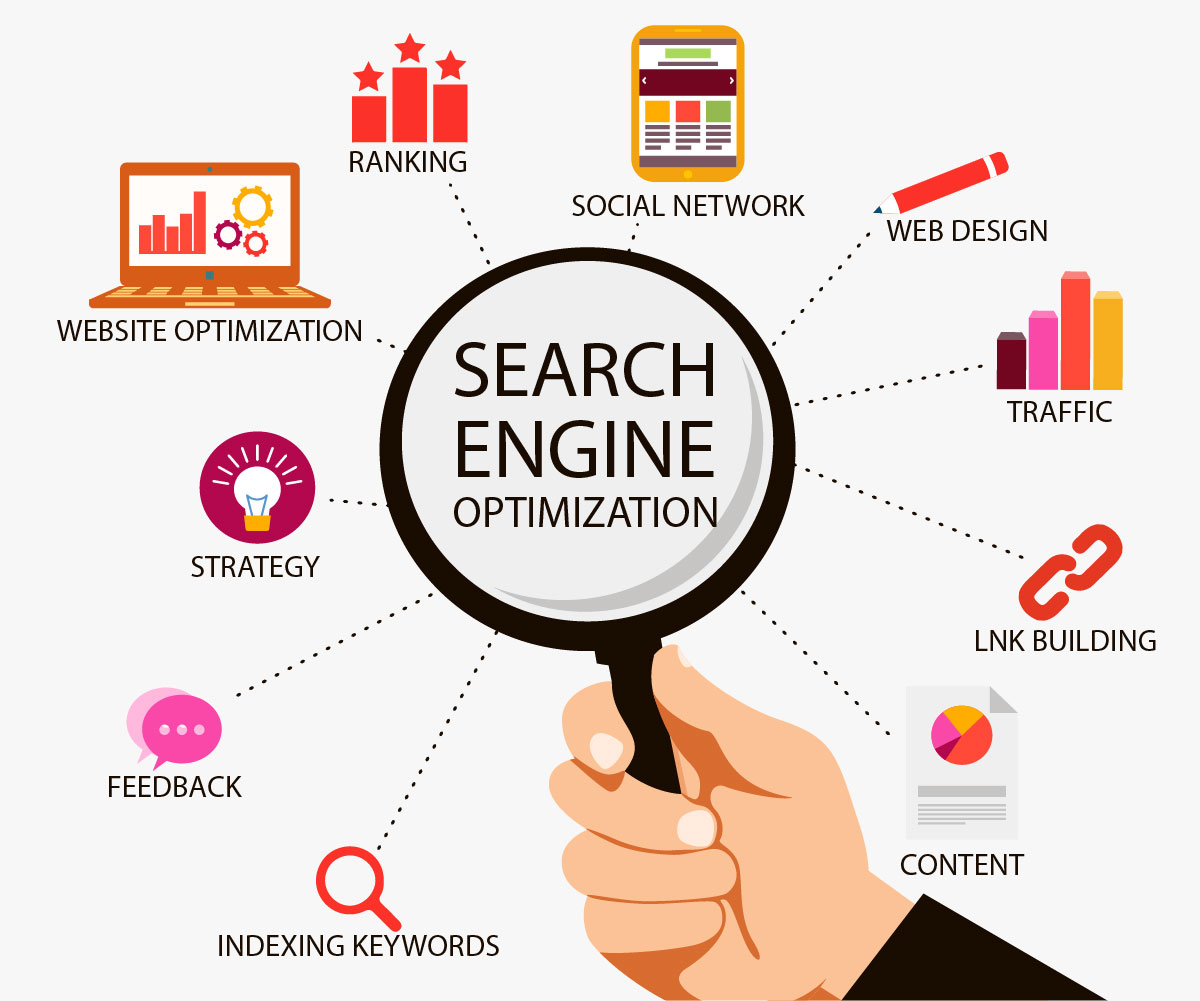
Search Engine Optimization (SEO) is the process of improving the quality and quantity of website traffic by ranking higher in search engines for specific keywords or phrases. It's a crucial aspect of digital marketing that can make or break a website's online success. As a beginner, understanding the fundamentals of SEO can be overwhelming, but with this comprehensive guide, you'll be well on your way to optimizing your website and attracting more targeted traffic.
The internet is a vast and competitive landscape, with billions of websites vying for attention. Search engines like Google, Bing, and Yahoo are the gatekeepers of this landscape, and they use complex algorithms to determine which websites to display to users. SEO is the art of crafting a website that resonates with these algorithms, ensuring that your site is displayed prominently in search results and drives a steady stream of qualified leads.
At its core, SEO is about understanding how search engines work and tailoring your website to meet their needs. It's a constantly evolving field, with new algorithms and best practices emerging regularly. However, by grasping the basics of SEO, you can create a solid foundation for your online marketing efforts and drive real results.
Understanding How Search Engines Work
Crawling, Indexing, and Retrieval
When you search for something online, you're essentially asking a search engine to retrieve relevant information from the vast expanse of the internet. This process begins with the search engine's "crawler" or "spider," which scours the web for new and updated content. The crawled data is then indexed, or stored, in a massive database that the search engine can draw upon to generate search results.
The retrieval phase is where the magic happens. When you submit a search query, the search engine's algorithm analyzes the indexed data to determine which websites are most relevant to your query. This involves a complex interplay of keyword matching, link analysis, and content evaluation.
Search Engine Algorithms
Algorithms are the unsung heroes of SEO. These complex programs govern the behavior of search engines, determining which websites to rank highest in search results. There are many different algorithms in use, each with its own strengths and weaknesses.
- Google's PageRank algorithm is one of the most widely used and respected algorithms in the industry.
- Bing's algorithm is designed to prioritize websites with high-quality content and a strong user experience.
- Yahoo's algorithm is more geared towards relevance, using a combination of keyword matching and link analysis to determine rankings.
Local SEO and Mobile Optimization
As search engines continue to evolve, local SEO and mobile optimization are becoming increasingly important. With the rise of voice search and mobile devices, it's essential to ensure that your website is optimized for local search and mobile-friendly.
- Local SEO involves optimizing your website for specific geographic regions, using keywords and phrases that are relevant to your business and location.
- Mobile optimization is about ensuring that your website is responsive and user-friendly on a range of devices, from smartphones to tablets.
Keyword Research and Planning
Conducting Keyword Research
Keyword research is the foundation of SEO. By identifying the most relevant and high-traffic keywords for your business, you can create a targeted content strategy that drives real results.
- Tools like Google Keyword Planner, Ahrefs, and SEMrush can help you identify keyword opportunities and estimate search volume.
- Brainstorming sessions with team members or potential customers can also provide valuable insights into keyword themes and ideas.
Planning Your Content Strategy
Once you've identified your target keywords, it's time to plan your content strategy. This involves creating a content calendar that outlines your content goals, target keywords, and publication schedule.
- A/B testing and content rotation can help you refine your content strategy and drive even better results.
- Guest blogging and link building can also help you build authority and increase your online visibility.
On-Page Optimization
Optimizing Title Tags and Meta Descriptions
Title tags and meta descriptions are two of the most critical elements of on-page optimization. These elements provide a glimpse into your website's content and help search engines understand your page's relevance.
- Use descriptive and keyword-rich title tags that accurately summarize your page's content.
- Write compelling and informative meta descriptions that entice users to click through to your page.
Optimizing Headings and Subheadings
Headings and subheadings are essential for improving the user experience and signal to search engines that your content is structured and easy to read.
- Use H1 tags to describe the main topic of your page, and H2 tags to break up content and highlight subtopics.
- Use descriptive and keyword-rich headings and subheadings to improve your website's accessibility and user experience.
Optimizing Images and Multimedia
Images and multimedia content can enhance your website's user experience and provide an opportunity to optimize for visual search.
- Use descriptive alt tags and file names that include your target keywords.
- Optimize image compression and file sizes to reduce page load times and improve user experience.
Link Building and Off-Page Optimization
Building High-Quality Backlinks
Backlinks are a crucial element of SEO, as they provide social proof and authority to your website. High-quality backlinks from reputable sources can drive real traffic and improve your website's rankings.
- Guest blogging and resource pages can provide valuable backlink opportunities.
- Leverage PR and influencer marketing to secure high-quality backlinks from industry leaders and influencers.
Optimizing Your Website's Technical Performance
Technical performance is critical for SEO, as it affects the user experience and search engine rankings. Ensure that your website is optimized for speed, mobile-friendliness, and security.
- Use tools like Google PageSpeed Insights and WebPageTest to analyze your website's technical performance.
- Implement security best practices, such as HTTPS and secure protocols, to protect user data and improve trust.
Local SEO and
Recent Post
Unlocking The Secrets Of Menopause: Expert Insights On Navigating Life After 40 With Paolo Tantoco
Tensions Rise As Trump Officials Defend Tariffs Amid Market Volatility And Warnings For Savers And Retirees
Rosie O'Donnell Teases Trump Move, Posts Disruptive Selfie From Abroad
Wings For The Win: Capitals Edge Ducks 7-4 In Thrilling Matchup
Ducks Fall Short: Key Takeaways From Thrilling 7-4 Loss To Capitals
Article Recommendations
- Unveiling The Enchanting World Of Sophie Rain: A Literary Journey Into The Heart Of Nature
- Unlock Clarity: How To Have A Truly Understandable And Nice Day
- Uncovering The Secrets Of Hattel Alan Berta: A Masterpiece Of Legal Acumen And Strategic Insights